Modular Cat Furniture: The Case for Cat Systems You Can Actually Grow
Most cat furniture is a fixed product. You buy it, assemble it, and that's what you have. Modular systems work differently — you build what you need and add more when you're ready.
Most cat furniture is a fixed product. You buy it, assemble it, and that's what you have — regardless of whether your apartment grows, your second cat arrives, or your cat phases through different preferences over a decade-plus lifespan. Modular systems work differently, and for certain types of cat owners, the flexibility is worth paying a premium for.
What modular cat furniture actually means
“Modular” in cat furniture means components can be added, removed, or rearranged without discarding the base unit. The most common modular systems are:
Stackable towers: A base unit with standardized mounting points that accept additional platform modules, tunnel segments, or scratch post extensions. The original purchase becomes a foundation rather than a finished product.
Rail-mounted shelf systems: Wall-mounted rails that accept interchangeable shelf brackets — allowing height, spacing, and shelf type to be adjusted without new holes in the wall.
Interlocking panel systems: Flat panels with standardized connectors that can form cubes, tunnels, or towers in different configurations. Popular in Europe; growing in US availability.
The case for modular systems
48% of cat owners report wanting cat furniture that can “evolve with their cat's needs,” according to 2026 market research. The practical drivers behind this preference:
Multi-cat households: A second cat arriving creates different territory needs. A modular system lets you add a second perch or separate sleeping area without buying entirely new furniture.
Aging cats: A senior cat with arthritis needs lower platforms with shorter inter-shelf gaps. A modular system can be reconfigured; a fixed tower cannot.
Moving homes: Modular systems typically disassemble and reassemble with new configurations to fit different room layouts.
Replacing worn components: When a single platform wears out on a modular system, you replace that component. When a single platform wears out on a fixed tower, you replace the whole thing.
Trade-offs to understand
Modular systems typically cost more per unit of functionality than equivalent fixed furniture — you're paying for the standardization engineering and the flexibility premium. The connection points between modules can also be structural weak points; check reviews specifically for wobble or joint stability over time.
Not all systems marketed as modular are genuinely expandable — some use the word loosely to mean “multi-piece.” Verify that expansion modules are actually sold separately and are in-stock before committing to a base unit.
Starting with a modular-friendly approach
You don't need to immediately invest in an expensive system. A practical starting point: buy a quality base unit with standardized attachment points, like our 3-in-1 scratch box, and add components as you observe which features your specific cat actually uses. Most cats prioritize 2–3 features; knowing which ones before over-investing is a genuinely useful data point.
Sources & Further Reading
Products Mentioned
 Only 0 left
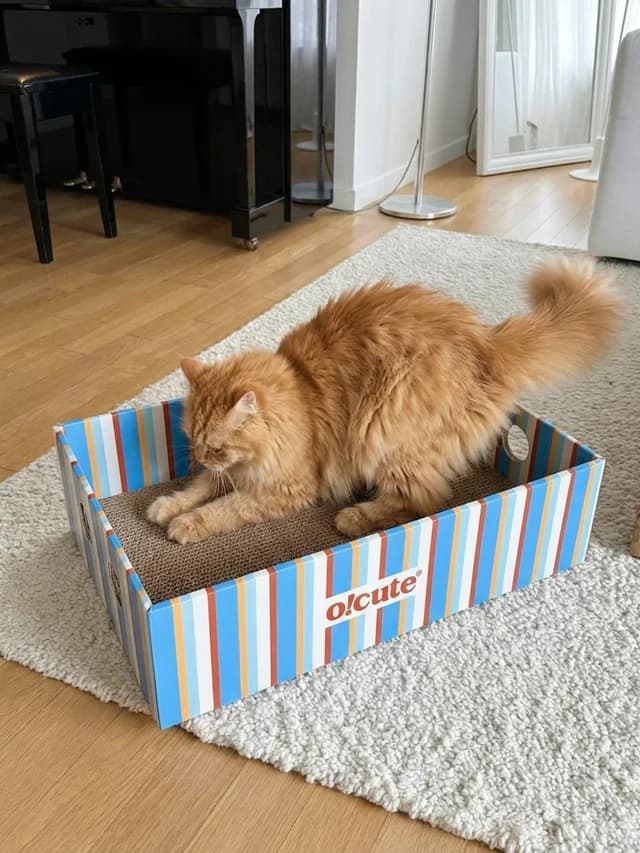
3-in-1 Scratch Box
Scratcher + bed + play box in one colorful package
Low stock: 0 left
 Only 0 left
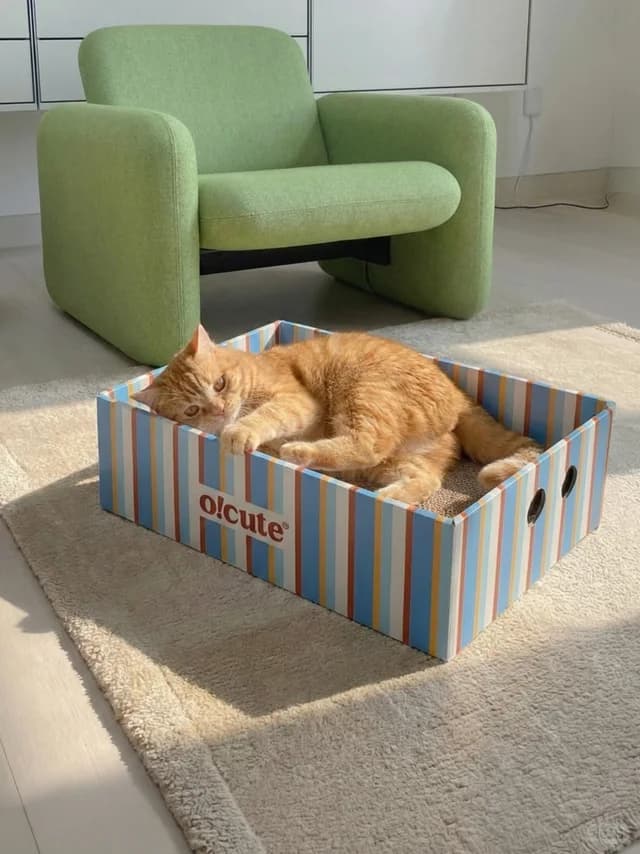
Hexagon Cat Nest
Geometric hexagonal bed with built-in scratch surfaces
Low stock: 0 left
 NewOnly 0 left
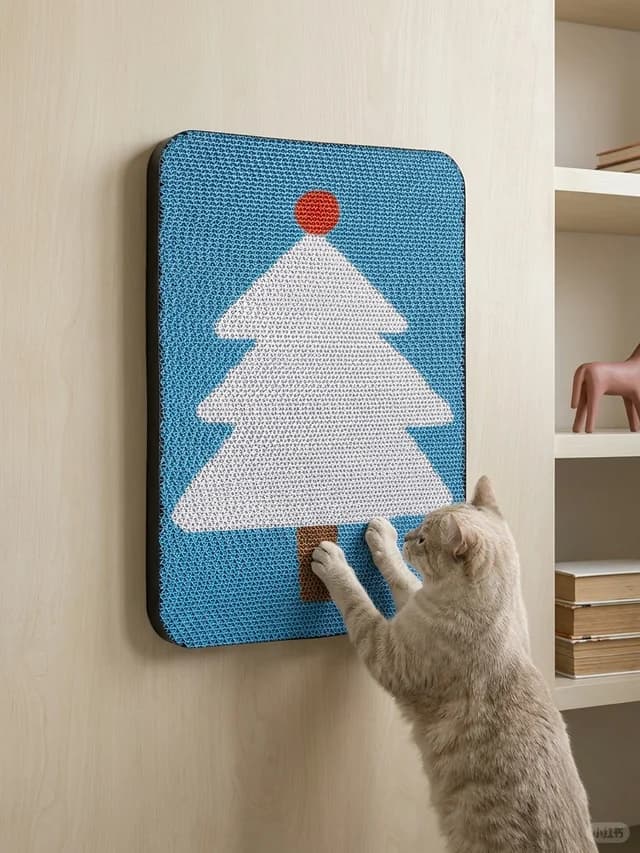
Tree Wall Scratcher
Christmas tree-shaped knitted wall scratcher — functional wall art
Low stock: 0 left