Felt vs. Cardboard Cat Beds: Which One Is Right for Your Cat?
Both felt and cardboard cat beds have loyal fans. The truth is, the right choice depends on your cat's age, your climate, and how your home is set up.
If you've been researching cat beds, you've probably noticed two materials keep coming up: wool felt and corrugated cardboard. Both have passionate fans, and both show up in the top recommendations for modern cat owners. But they're not interchangeable — and buying the wrong one can mean a cat bed your cat never uses.
Here's a straight comparison of both, and how to decide which makes sense for your setup.
Wool felt cat beds
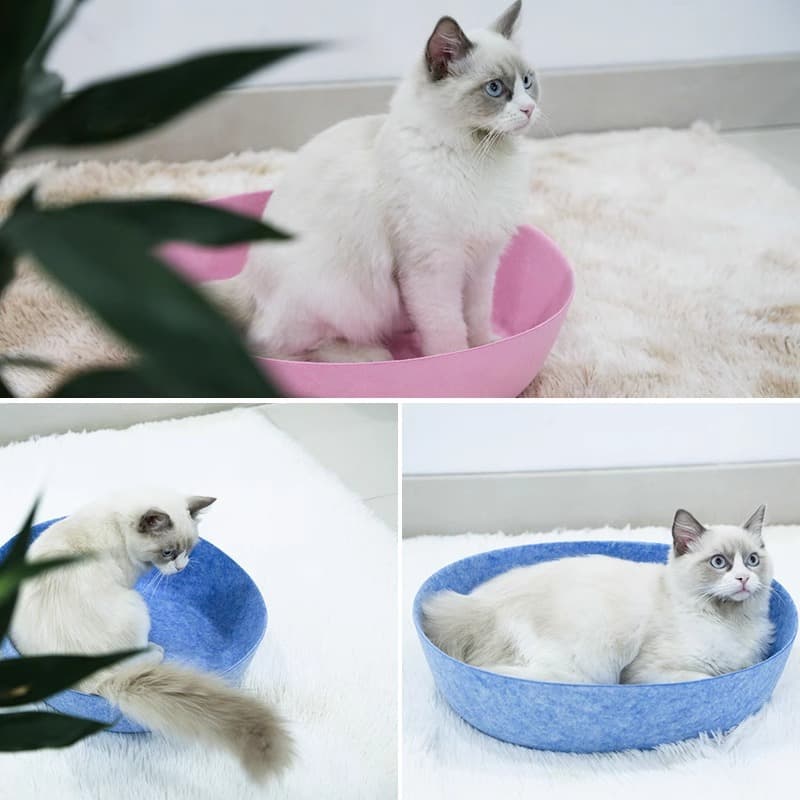
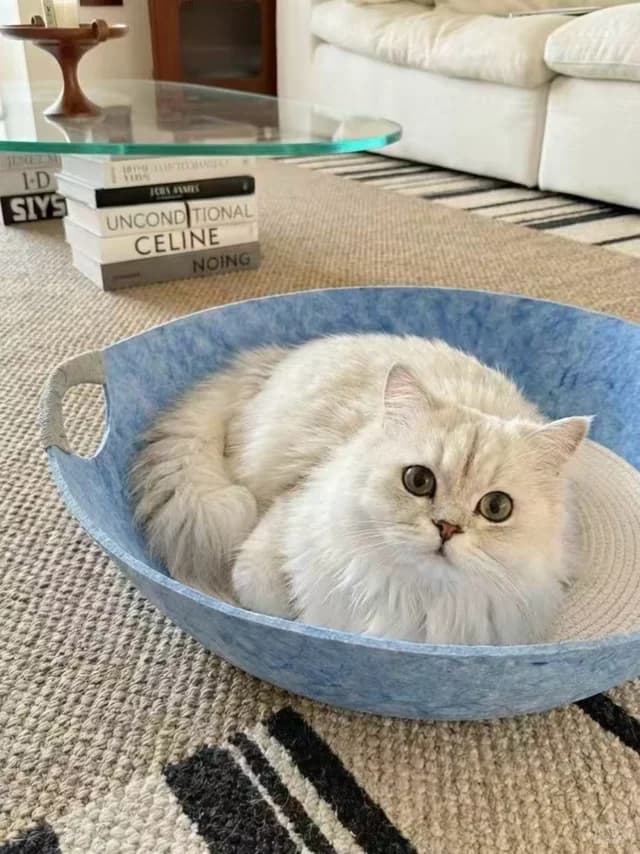
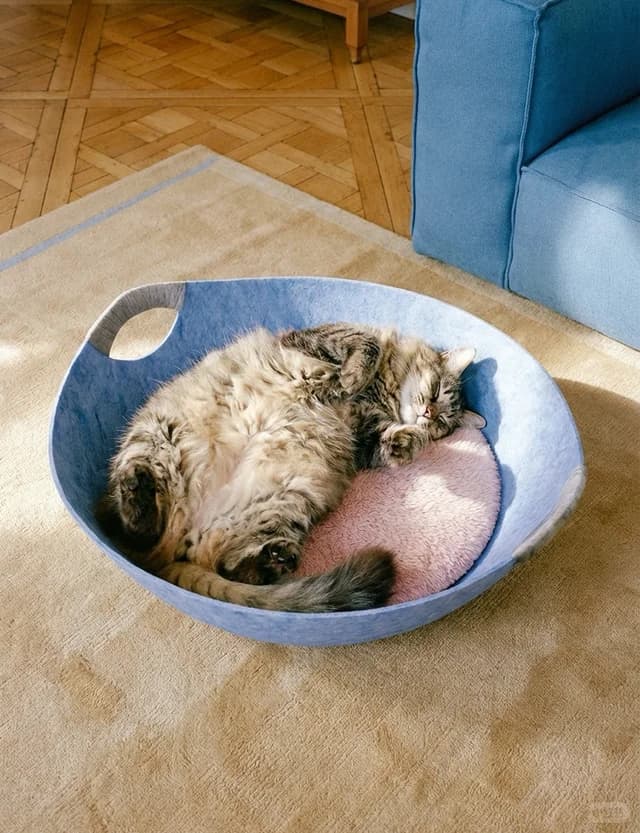
Felt beds are typically made by compressing wool fibers into a dense, sturdy shape. Our Bowl Cat Bed is a classic example: a single-piece wool felt bowl with a soft inner cushion.
What felt is great at
- Warmth. Wool felt traps body heat, so cats snuggle in and stay cozy. Perfect for winter and cold apartments.
- Longevity. A good felt bed can last 3–5 years with basic care. The material gets softer over time, not worse.
- Aesthetic. Felt has a natural, muted look that fits modern, Japandi, and Scandinavian interiors without effort.
- Washability. Most felt bed covers are spot-cleanable with a damp cloth, and the inner cushion can usually be machine washed.
What felt isn't as good at
- Hot and humid climates — some cats actively avoid wool in summer.
- Cats that chew fibers — a small number of cats will try to eat wool, which is dangerous for them.
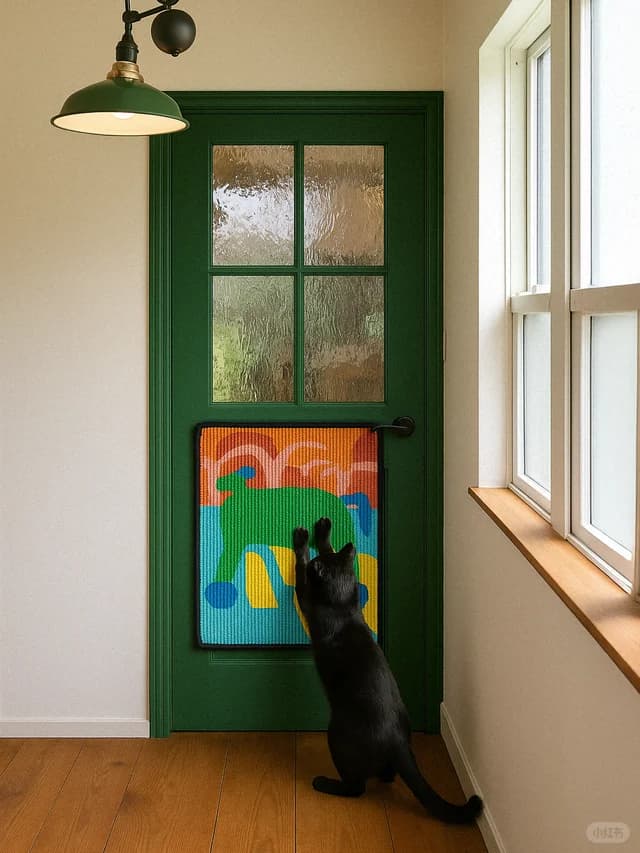
- Scratching — felt isn't meant to be scratched, so you still need a separate scratcher.
Corrugated cardboard cat beds
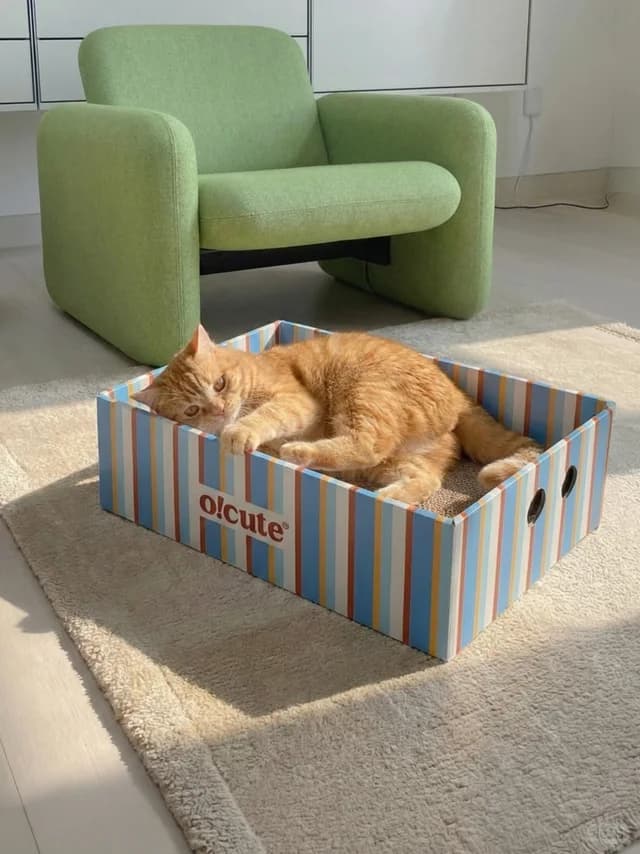
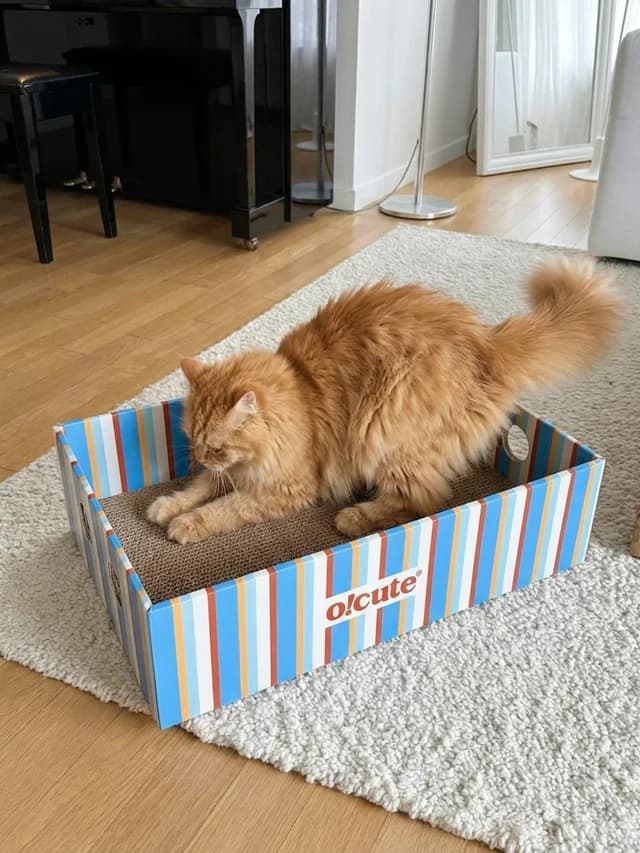
Corrugated cardboard beds (like our Hexagon Cat Nest and 3-in-1 Scratch Box) are made from thick, high-density corrugated board shaped into a box, oval, or geometric form. The same material is used in pro cat scratching posts.
What cardboard is great at
- Dual purpose. Cardboard beds double as scratchers. Your cat naps on it, wakes up, and scratches the edge before stretching. Two products in one.
- Replaceability. When the scratch surface is worn out (usually 6–12 months of heavy use), you can replace the insert instead of buying a new bed.
- Cooler in summer.Cardboard doesn't trap heat the way felt does, which some cats prefer in warm weather.
- Fun factor.Cats are biologically drawn to box shapes. A cardboard bed taps into that "if I fits, I sits" instinct perfectly.
What cardboard isn't as good at
- Warmth — not great for cold apartments unless you add a blanket insert.
- Mess — scratching produces tiny cardboard shavings. You'll need to vacuum around the bed weekly.
- Ultra-premium aesthetics — cardboard looks playful and casual, not luxurious.
Which one should you buy?
Here's a quick decision guide:
- Get a felt bed if you live somewhere cold, care a lot about how the bed looks in your home, want something that lasts years, and already have a separate scratcher.
- Get a cardboard bed if you want fewer total items, your cat is a heavy scratcher, or you like the idea of an affordable replaceable insert.
- Get both if you have the space. A lot of owners keep a felt bed in the bedroom or by the window for sleeping, and a cardboard scratch-bed in the living room for daytime lounging and scratching. Cats love having options.
One thing they have in common
Both felt and cardboard beds massively outperform plastic or plush nylon beds in actual cat acceptance. If you're upgrading from a basic pet-store bed, you'll likely see your cat start using their new bed within a day or two. That's a rare win in cat ownership.
Products Mentioned
 Best SellerOnly 0 left
Bowl Cat Bed
Premium woven felt bowl bed — your cat's favorite nap spot
Low stock: 0 left
 Only 0 left
Hexagon Cat Nest
Geometric hexagonal bed with built-in scratch surfaces
Low stock: 0 left
 Only 0 left
3-in-1 Scratch Box
Scratcher + bed + play box in one colorful package
Low stock: 0 left