Cat Furniture with Built-In Litter Box Enclosures: Which Ones Actually Work
Hiding a litter box in furniture sounds like a win-win. But badly designed enclosures trap odors, stress cats out, and create hygiene problems. Here's how to choose one that works for both of you.
Litter box furniture — pieces designed to conceal the litter box inside a cabinet, side table, or planter — solves one of the most aesthetically fraught challenges of cat ownership: where to put the box without it dominating the room. When done well, the litter box disappears entirely. When done poorly, it traps odors, stresses the cat, and creates hygiene problems that are worse than an exposed box.
Here's how to tell the difference before you buy.
What makes a good litter box enclosure
The cat doesn't care that the box is hidden. They care about four things: enough space to turn around and dig comfortably, clear entry and exit (no dark tunnels they feel trapped in), odor that doesn't accumulate to an unbearable level inside the enclosure, and the ability to see the room while using the box (predator awareness — even in a safe home, cats retain this instinct).
A good enclosure addresses all four:
- Interior dimensions — At minimum, 1.5x the length of the cat, measured from nose to tail base. For most cats, 18x18 inches interior is the minimum; 20x24 is comfortable. If you have a Maine Coon or large cat, size up significantly.
- Ventilation — The piece must have a ventilation opening, not just the entry hole. Without air exchange, odors concentrate rapidly. Look for models with rear vents, side slats, or a gap at the top.
- Entry position — A side entry (the cat enters from the side of the cabinet, not the front) gives the cat a clear sightline to the room while in the box, which reduces anxiety.
- Easy cleaning access — You need to scoop daily. A top-opening design or a door that fully opens makes this much less annoying than a small front door you reach through.
Common problems with cheap litter box furniture
Odor concentration is the most frequent complaint. Litter boxes in enclosed furniture need a carbon filter, activated charcoal insert, or similar odor management — just sealing the smell inside is not a solution, and cats will avoid an enclosure that smells strongly of ammonia.
Entry anxiety is the second problem. Cats that feel trapped — particularly cats in multi-cat households where another cat might ambush them — will avoid litter boxes with single-entry tunnels. Two entry/exit points on different sides is the gold standard for anxious cats.
Litter mat placement
Litter tracking — the spread of litter across your floors when the cat exits — is often worse with enclosed furniture because the cat pushes off the interior walls on exit, scattering litter with force. A textured litter mat immediately outside the entry opening catches most of this before it spreads. This is non-negotiable for any enclosed litter box setup.
Sources & Further Reading
Products Mentioned
 Only 0 left
Hexagon Cat Nest
Geometric hexagonal bed with built-in scratch surfaces
Low stock: 0 left
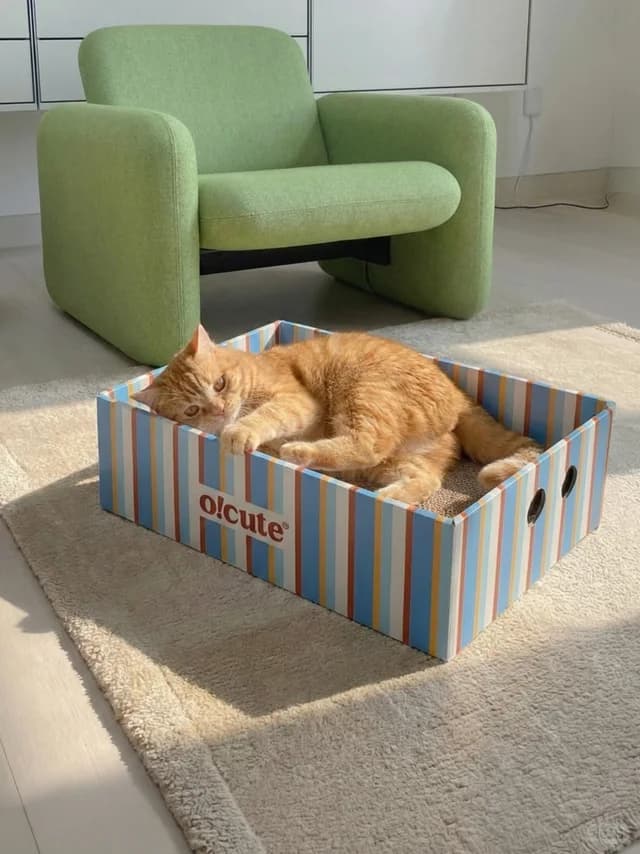
Only 0 left3-in-1 Scratch Box
Scratcher + bed + play box in one colorful package
Low stock: 0 left
 Best SellerOnly 0 left
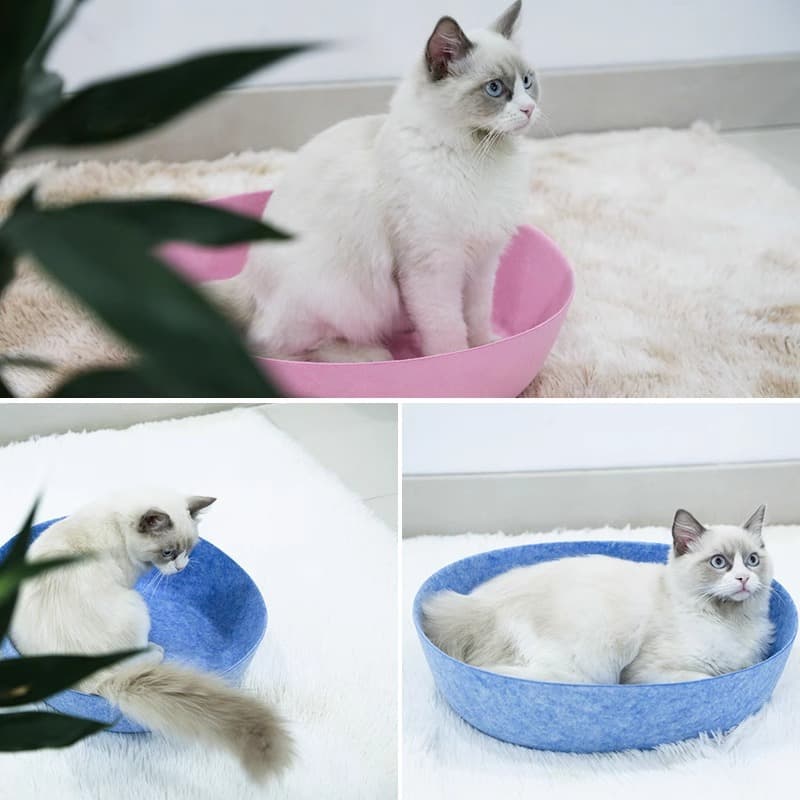
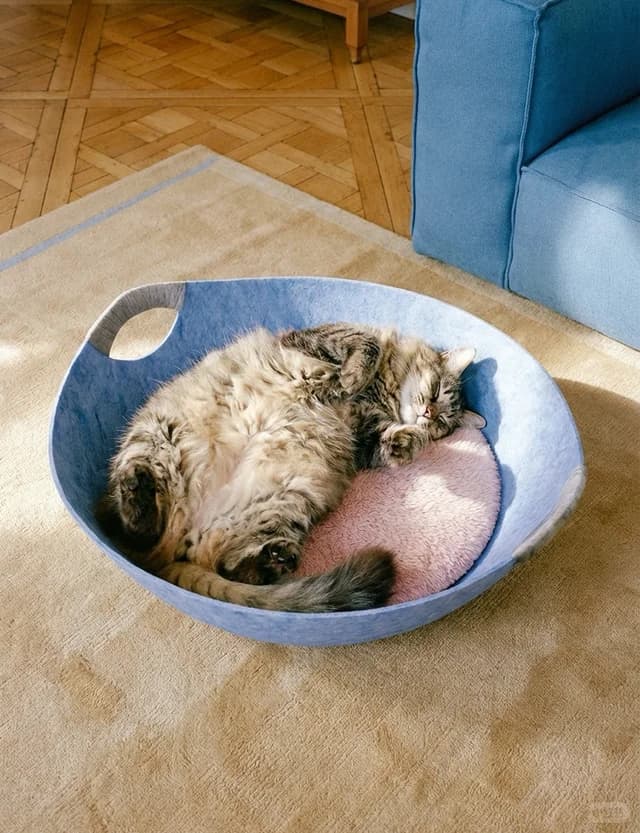
Bowl Cat Bed
Premium woven felt bowl bed — your cat's favorite nap spot
Low stock: 0 left