Cat Tunnel Beds: Why Cats Love Them and How to Choose the Right One
A cat tunnel bed serves three instincts at once: stalking, hiding, and denning. That's why cats that ignore standard beds often go straight for tunnels.
Most cat owners discover the appeal of tunnel beds by accident. They buy a standard oval bed, the cat ignores it, then a friend brings over a crinkle tunnel toy and the same cat disappears inside it for an hour. The appeal isn't hard to explain once you understand what cats are actually looking for in a resting spot.
Why cats prefer tunnels over open beds
Cats are both predators and prey animals. Their ideal rest position satisfies two competing priorities simultaneously: they want to see threats coming (elevated position, wide sightlines) and they want to feel hidden from potential predators (enclosed, with limited entry points). An open bed satisfies neither instinct — it provides no concealment and no elevation advantage.
A tunnel bed, by contrast, hits the concealment priority directly. The cat can enter from either end, monitor both exit points, and feel genuinely protected. For cats that are shy, anxious, or simply more cautious by temperament, this architecture is meaningfully more relaxing than exposure.
The AAFP/ISFM Feline Environmental Needs Guidelinesspecifically identify “the ability to hide” as a core environmental need for domestic cats — not a preference, a need. A tunnel bed directly addresses this.
Types of cat tunnel beds
The category has diversified significantly in 2025–2026. The main types:
Single-entry tunnel beds — one enclosed end, one open end. Functions more like a cave or igloo than a true tunnel. Good for cats that prefer to face one direction while sleeping.
Double-entry tunnels— open at both ends, sometimes with a side opening as well. Better for cats that like options and don't want to feel fully enclosed. Often collapsible for storage.
S-curve tunnel beds — curved design that blocks sightlines from outside while the cat can see both ends from the middle. The best of both worlds for concealment-seeking cats.
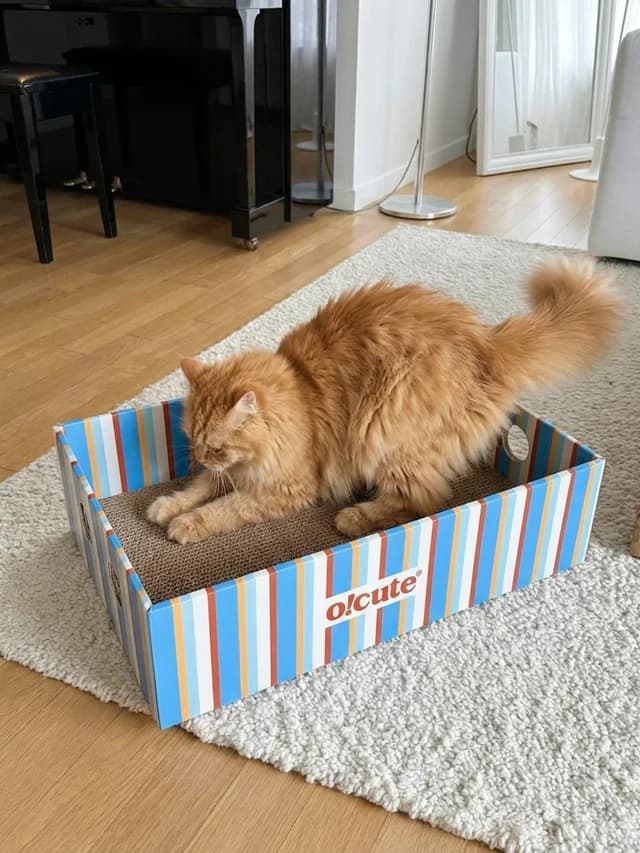
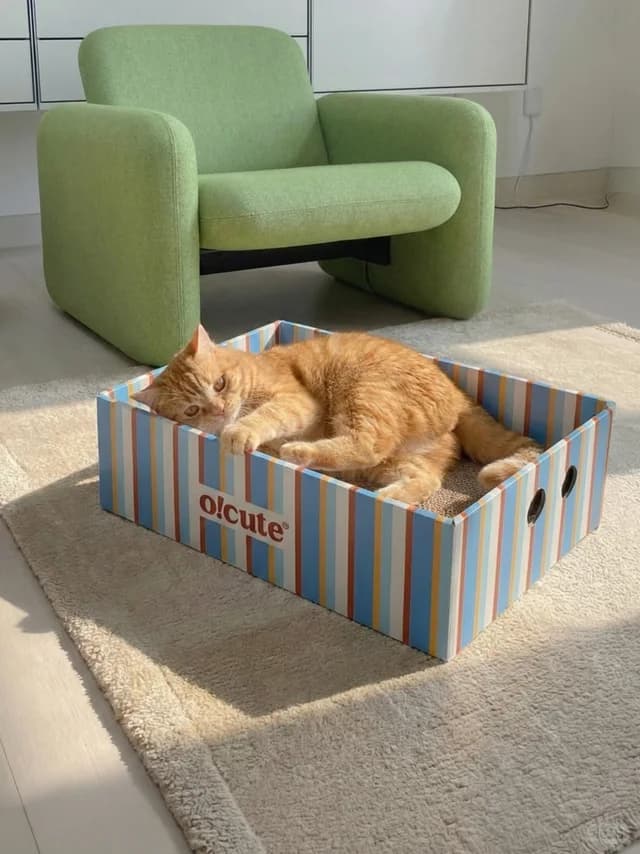
Combination units — tunnels integrated with perches, scratching surfaces, or other furniture elements. The 3-in-1 scratch box design combines scratching with enclosed rest — a functionally similar principle.
What to look for when buying
Interior diameter:Measure your cat's shoulder width and add 4 inches minimum. A 10 lb cat typically needs a 12–14 inch interior diameter. Many cheap tunnels are sized for kittens or small cats and will be abandoned immediately by a 12+ lb adult.
Material:Crinkle tunnels are fun but noisy — some cats love the sound, others won't use them. Fabric or fleece tunnels are quieter and warmer. Avoid thin polyester that collapses under the cat's weight when they roll over.
Stability: The best tunnel beds have a slight weight or structure that keeps them from sliding when a cat charges in. On hard floors, a light tunnel on a slick surface will skitter away and train the cat to avoid it.
Washability: Tunnels accumulate fur, dander, and the occasional hairball. A tunnel with a removable, machine-washable inner pad is meaningfully more practical than a fixed-material one.
Cats that benefit most from tunnel beds
Shy or recently adopted cats that haven't established comfort in their new home. Multi-cat households where lower-ranking cats need a retreat zone. Cats recovering from illness or surgery who need a quiet, enclosed space. And cats that have previously ignored open beds — the change in architecture is often the specific variable that makes the difference.
Sources & Further Reading
Products Mentioned
 Only 0 left
3-in-1 Scratch Box
Scratcher + bed + play box in one colorful package
Low stock: 0 left
 Only 0 left
Hexagon Cat Nest
Geometric hexagonal bed with built-in scratch surfaces
Low stock: 0 left
 Best SellerOnly 0 left
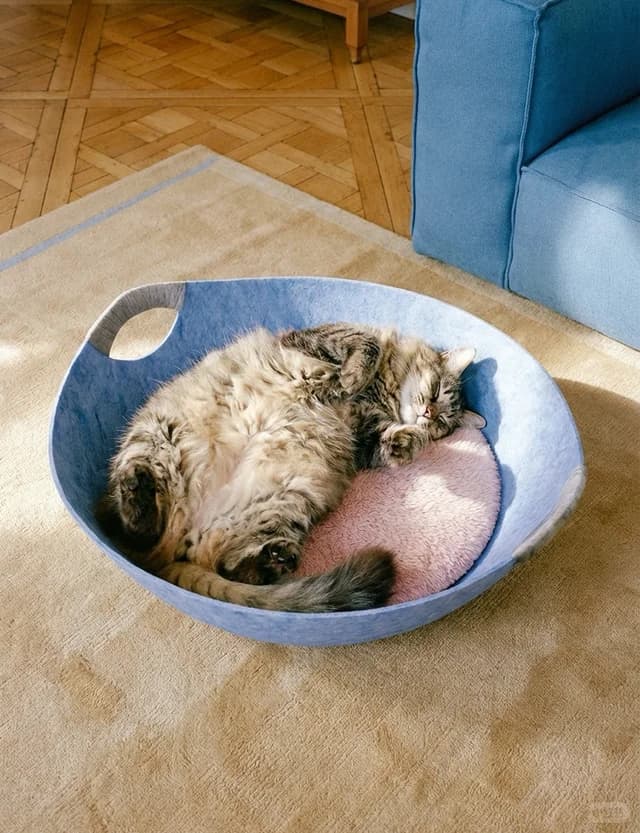
Bowl Cat Bed
Premium woven felt bowl bed — your cat's favorite nap spot
Low stock: 0 left