What Cats Actually Prefer in a Scratcher (According to Research)
Most scratching post advice is pure guesswork. But several studies — including a 2022 Cisneros et al. survey and Zhang & McGlone 2020 — give us real data on what cats actually choose.
Most scratching post advice is a mix of pet-store folklore and Instagram vibes. But there's actually a growing body of peer-reviewed research on what cats genuinely prefer, and what reduces the odds they'll redirect onto your furniture. This article summarizes the key studies and what the findings mean for anyone choosing a scratcher.
Finding #1: Cats prefer rope or cardboard over fabric
The clearest research on material preference comes from Zhang and McGlone (2020), published in Applied Animal Behaviour Science. The team put 36 adult in-home cats through three in-home experiments comparing different scratcher designs.
The result:
- Cats spent significantly more time interacting with scratchers covered in rope or cardboard than with those covered in carpet or sofa fabric.
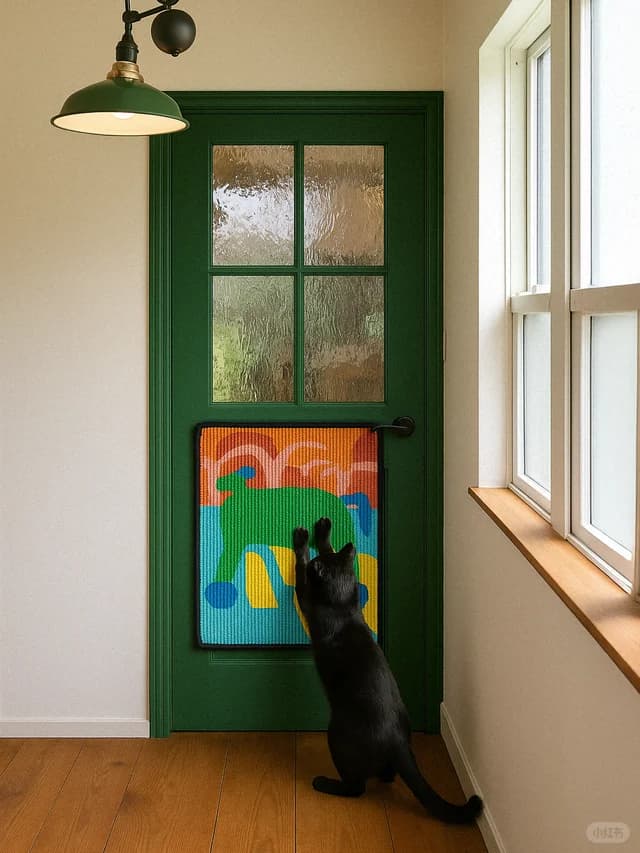
- Vertical scratchers were preferred over horizontal ones on average.
- Catnip and silver vine applied to the scratcher increased both the duration and frequency of use — but synthetic pheromones had no effect.
In practice, this matches what you see in cat behaviorist recommendations: sisal rope is the most widely recommended material for adult cats, with corrugated cardboard as a close second (especially for kittens and playful cats).
Finding #2: Punishment makes scratching worse, not better
A 2022 survey study published in Frontiers in Veterinary Science by Cisneros, Halloran, and Delgado looked at risk factors for unwanted scratching across a large sample of owners. One of the strongest findings was counter-intuitive: verbal or physical punishment actively increased unwanted scratching. Owners who reported using verbal punishment had 1.56× higher odds of reporting scratching problems, and physical punishment increased odds by 1.29×.
The interpretation most cat behaviorists agree on: scratching is a stress-release behavior. Punishment raises stress. Higher stress means more scratching. The exact opposite of what owners are trying to achieve.
The same study found that several interventions actively reduced unwanted scratching:
- Adding more scratching posts
- Positive reinforcement (treats when using the right scratcher)
- Using attractants like catnip or synthetic feline pheromones on the scratcher
- Restricting access to off-limit items during training
Finding #3: Younger cats scratch more
The Cisneros 2022 data also showed that cats aged 4–12 months were the most likely to have reported scratching problems. Cats over 7 years old were significantly less likely. This matches intuitive experience — kittens and adolescents are high-energy and exploratory, and many of their early scratching habits become long-term patterns if not redirected. The takeaway: invest in a proper scratcher before your cat starts wrecking the couch, not after.
Finding #4: Indoor cats scratch more — so enrichment matters
Indoor-only cats were more likely to have scratching problems than cats with outdoor access. This isn't an argument for letting your cat outside — it's an argument for richer indoor environments. The AAFP/ISFM Feline Environmental Needs Guidelines (Ellis et al., 2013) formalized this in their Five Pillars framework, with scratching areas as one of the core environmental needs every cat should have. We break that down in more detail in our AAFP Five Pillars guide.
What the research means when you're shopping
Distilling the evidence into actionable buying advice:
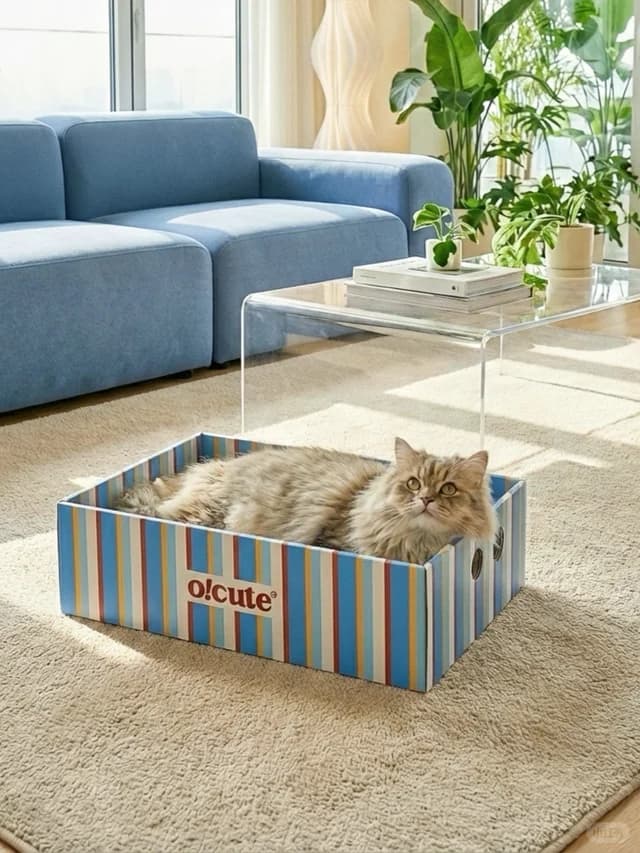
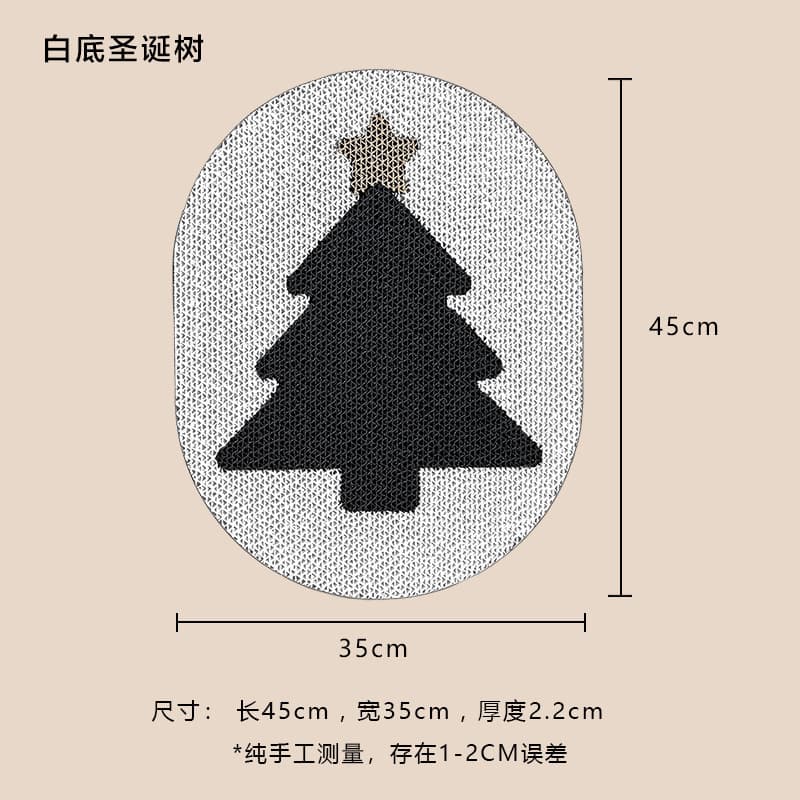
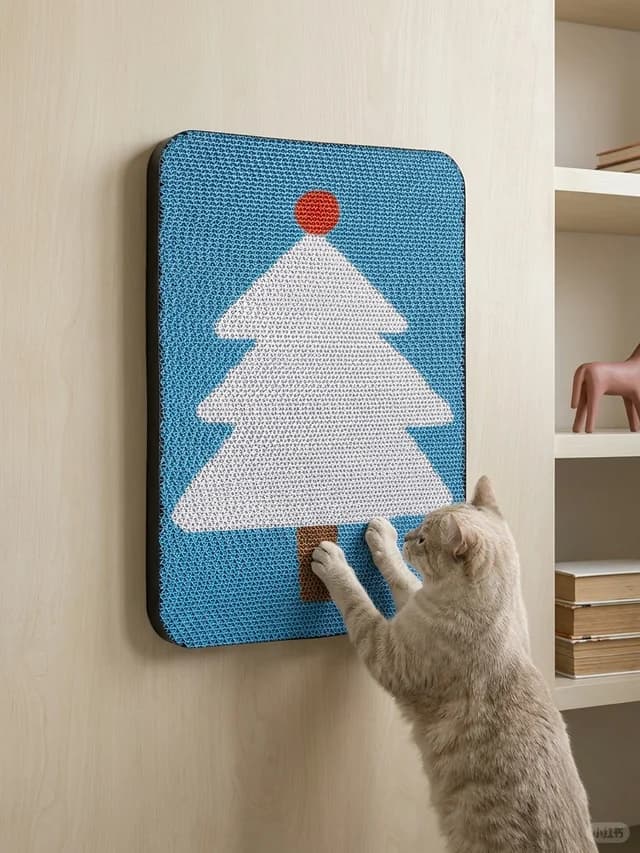
- Pick sisal rope or corrugated cardboard. Skip carpet-covered posts. Our Tree Wall Scratcher uses hand-knitted sisal for exactly this reason, and our Striped Scratch Box uses high-density corrugated cardboard.
- Default to vertical. A vertical scratcher lets a cat stretch fully, which is part of the biological purpose of scratching. Horizontal scratchers work best as a supplement, not as the main option.
- Buy multiple. The evidence shows more scratchers = fewer problems. Aim for at least one per main room the cat uses.
- Use catnip to introduce it.A pinch of catnip or silver vine will dramatically speed up your cat's first use of a new scratcher.
- Never punish. Every major 2020s study on scratching reaches the same conclusion: punishment increases the problem. Redirect calmly, reward the desired behavior.
One caveat: individual preference matters
The research describes averages. Individual cats have preferences that don't always match the aggregate. A specific cat might love carpet, hate vertical, and refuse to touch cardboard. That's normal. The studies just tell you where to start — and where to put your money if you don't yet know your cat's quirks.
Sources & Further Reading
- Zhang, L., McGlone, J.J. (2020). Scratcher preferences of adult in-home cats and effects of olfactory supplements on cat scratching. Applied Animal Behaviour Science, 227, 104997.
- Cisneros, A., Halloran, M., Delgado, M.M. (2022). Unwanted Scratching Behavior in Cats: Influence of Management Strategies and Cat and Owner Characteristics. Frontiers in Veterinary Science.
- Ellis, S.L.H., Rodan, I., Carney, H.C., et al. (2013). AAFP and ISFM Feline Environmental Needs Guidelines. Journal of Feline Medicine and Surgery, 15(3), 219–230.
Products Mentioned
 NewOnly 0 left
Tree Wall Scratcher
Christmas tree-shaped knitted wall scratcher — functional wall art
Low stock: 0 left
 Only 0 left
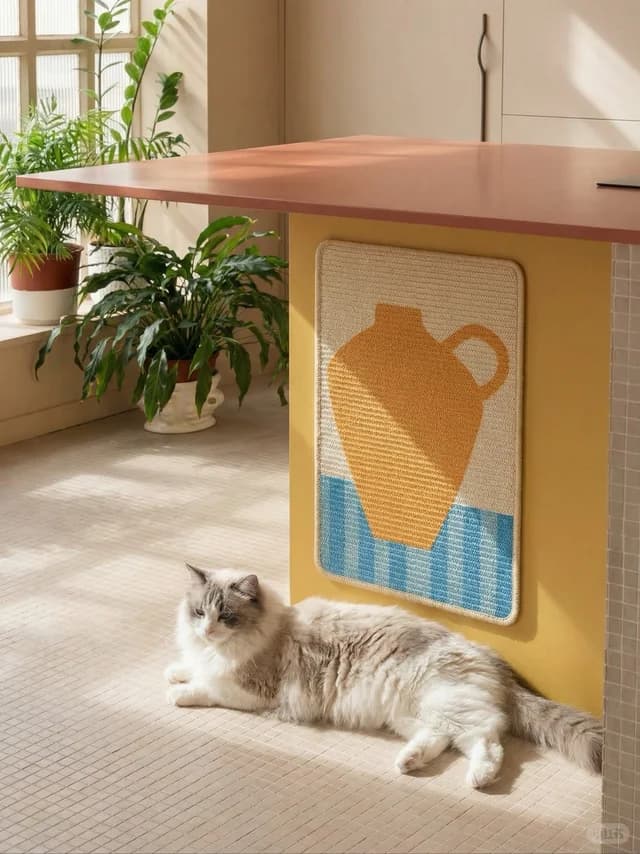
Sisal Wall Mat
Designer striped wall-mounted sisal scratching mat
Low stock: 0 left
 PopularOnly 0 left
Striped Scratch Box
Colorful striped box with corrugated scratch pad inside
Low stock: 0 left