Cat Hammocks: Why Cats Love Them and How to Choose the Right One
Cats prefer elevated spots for a reason: height equals safety in feline psychology. A hammock delivers that, plus the 'cave' sensation they also seek. Here's how to pick one that earns daily use.
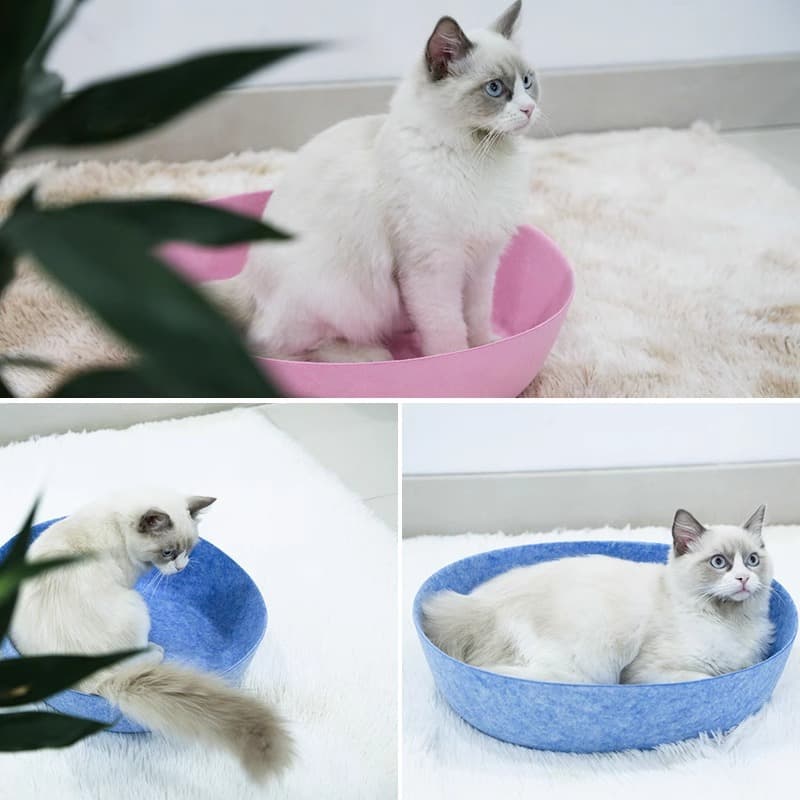
Height plus enclosure: those two factors explain nearly every cat sleeping preference. A hammock delivers both. Suspended above the floor, surrounded on three sides by raised edges, with a slightly yielding surface — it hits the security triggers that evolved when ancestors slept in tree canopies to avoid ground predators.
The question isn't whether cats like hammocks. The question is which kind of hammock your specific cat will use, and where to put it so it becomes the preferred spot rather than an ignored purchase.
Types of Cat Hammocks
Window-mounted hammocks use suction cups to attach directly to glass. They position the cat at the window — prime enrichment real estate — while offering the hammock sleeping surface. Best for cats that already spend time at the window; a guaranteed hit if your cat has window-seeking behavior.
Cat tree hammocksare integrated into a larger structure. Usually positioned mid-tree, they give the cat both elevation and visual access to the room. The advantage: the cat already uses the tree, so adoption rate is high. Disadvantage: you can't reposition them independently.
Freestanding hammocks suspend from four corner posts on a dedicated frame. The least popular category for cats in practice — the structure tends to rock more than tree or wall-mounted versions, and cats often prefer more static elevated spots.
Wall-mounted hammocks attach via brackets to a wall and offer the most stable, permanent solution. No rocking, adjustable height, and they become a genuine piece of room furniture. Requires drilling but pays dividends in longevity.
Materials That Cats Accept
Woven fabric and canvas hold temperature differently than solid surfaces — slightly cooler in summer, less insulating in winter. Cats with thick fur often prefer hammocks to beds for this reason. Canvas or denim hammocks are durable and washable. Mesh hammocks provide airflow but some cats dislike the open weave underfoot.
Fleece hammocks are warm and soft but trap fur aggressively. Weekly brushing is necessary to keep the surface clean enough for cats to want to use it — fur buildup changes the scent signature and some cats start avoiding heavily soiled surfaces.
Weight and Size Matters
Most hammocks are sized for cats up to 15 lbs. For larger cats (Maine Coons, Ragdolls, Norwegian Forest Cats), check the weight rating and buy larger. A hammock that sags excessively when a large cat lies in it defeats the elevation purpose and the cat will stop using it.
Size: the cat should be able to lie fully extended without limbs hanging over the edges. Most standard hammocks are 12"×16" — adequate for cats up to about 10 lbs. Step up to 16"×20" for larger breeds.
Placement for Maximum Use
Position hammocks at a height where the cat can observe the room — typically 3–5 feet off the ground. Near a window is ideal. Away from high-traffic paths reduces disturbance (cats won't sleep in spots where they'll be bumped regularly). Avoid placing directly above a dog bed or in a room the cat doesn't already use.
Sources & Further Reading
Products Mentioned
 Best SellerOnly 0 left
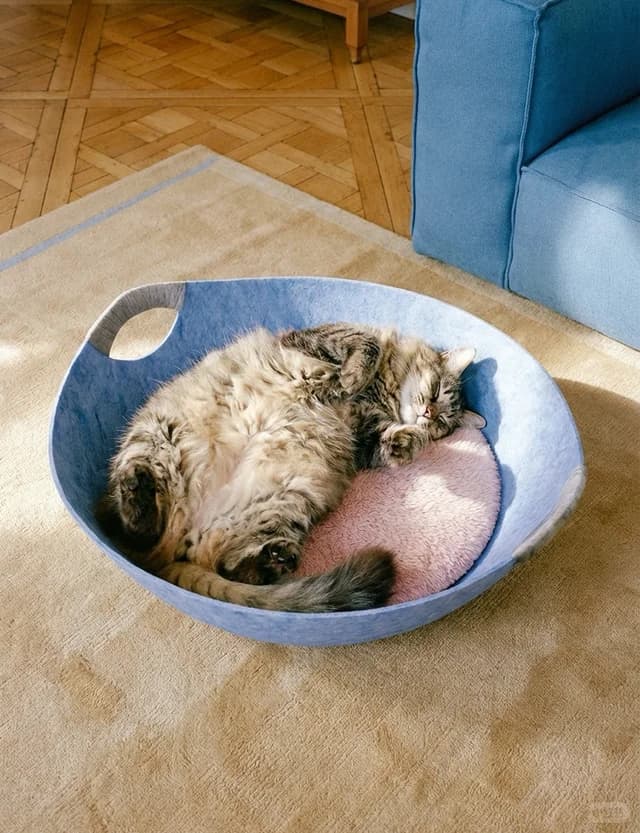
Bowl Cat Bed
Premium woven felt bowl bed — your cat's favorite nap spot
Low stock: 0 left
 Only 0 left
Hexagon Cat Nest
Geometric hexagonal bed with built-in scratch surfaces
Low stock: 0 left
Spring EditionOnly 0 leftPink Felt Bowl Bed
Spring edition blush pink bowl bed in premium felt
Low stock: 0 left