Why Is My Cat Peeing on My Bed? 7 Reasons and How to Fix Each
Finding that your cat has urinated on your bed is one of the most frustrating cat owner experiences. It's also almost always fixable once you identify the actual cause.

A cat peeing on your bed is almost never deliberate revenge. Cats don't think that way. It is, however, always a signal — and identifying the correct cause is the only reliable path to stopping it. Here are the seven most common reasons, from most likely to least likely.
1. Urinary tract infection or blockage
This is the first thing to rule out, especially if the behavior started suddenly. A urinary tract infection (UTI) causes urgency and discomfort — cats may not make it to the litter box in time, and they instinctively seek soft, absorbent surfaces (like your bedding) to urinate on. Male cats are particularly prone to urinary blockages, which are life-threatening. If your cat is straining, crying, or visiting the litter box repeatedly with no output, go to a vet immediately.
2. Litter box aversion
Cats are extremely particular about litter box cleanliness. The general rule is one litter box per cat, plus one extra — and they should be scooped daily. If the box is too dirty, too small, has the wrong type of litter, or is in a location the cat dislikes, it will find an alternative. Your bed, with its soft surface and familiar smell, is a common substitute.
3. Stress and anxiety
Changes in routine, new people, new pets, moving furniture, or renovations can trigger elimination outside the litter box. Cats show stress through behavior changes, and inappropriate urination is one of the most common. Your scent on bedding makes it a comfort spot — the association between your smell and safety can make the bed feel like the right place during high-stress periods.
4. Territorial marking (urine spraying)
Spraying is different from normal urination — it's deposited on vertical surfaces in small amounts, and it's driven by territorial instinct, not a full bladder. Unneutered males spray most frequently, but spayed females and neutered males do it too, especially in multi-cat households or when outdoor cats are visible from windows. Spraying on your bed specifically is often triggered by changes in your own scent (new perfume, a trip away, a new relationship).
5. Cognitive dysfunction in older cats
Senior cats (14+) can develop feline cognitive dysfunction syndrome (FCDS) — the cat equivalent of dementia. Disorientation, changes in sleep patterns, and forgetting where the litter box is are common symptoms. If an older cat who was previously reliable starts eliminating inappropriately, cognitive dysfunction should be on the differential diagnosis list.
6. The litter box is inaccessible
Arthritis and joint pain are underdiagnosed in cats because cats hide pain well. A litter box with high sides, located on a different floor, or requiring a jump to reach can become inaccessible as a cat ages or gains weight. Switching to a low-entry box on the same floor resolves this type of case quickly.
7. Preference for the surface
Some cats develop a surface preference for soft fabrics after one or more experiences eliminating on them. Once the pattern is established, breaking it requires both addressing any underlying cause and temporarily restricting access to the bedroom while re-establishing good litter box habits.
What to do
Start with a vet visit to rule out medical causes — this alone resolves a significant proportion of cases. While that's pending, keep the bedroom door closed, wash all affected bedding with an enzyme cleaner (standard detergent doesn't fully break down urine proteins and cats can still smell the marker), and assess your litter box setup.
Sources & Further Reading
Products Mentioned
 Best SellerOnly 0 left
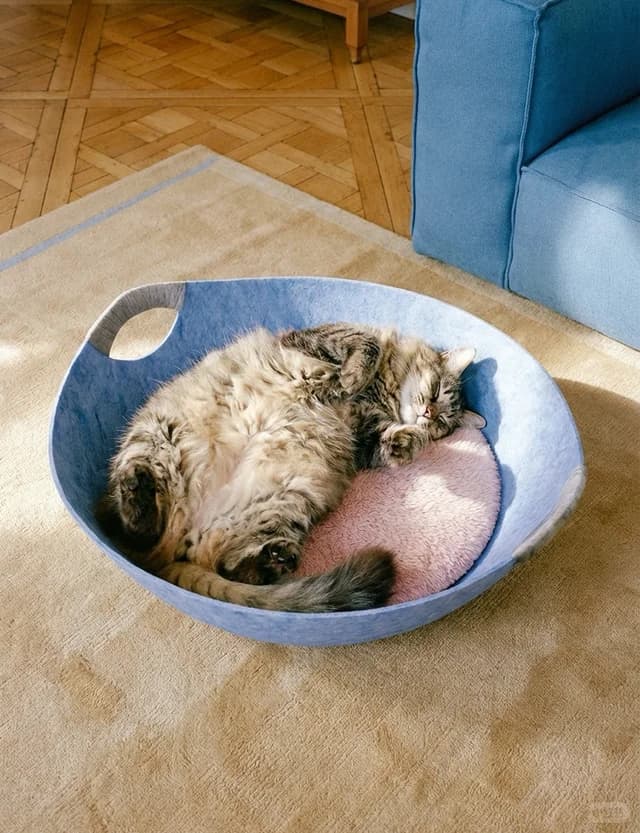
Bowl Cat Bed
Premium woven felt bowl bed — your cat's favorite nap spot
Low stock: 0 left
 Only 0 left
Hexagon Cat Nest
Geometric hexagonal bed with built-in scratch surfaces
Low stock: 0 left
 Only 0 left
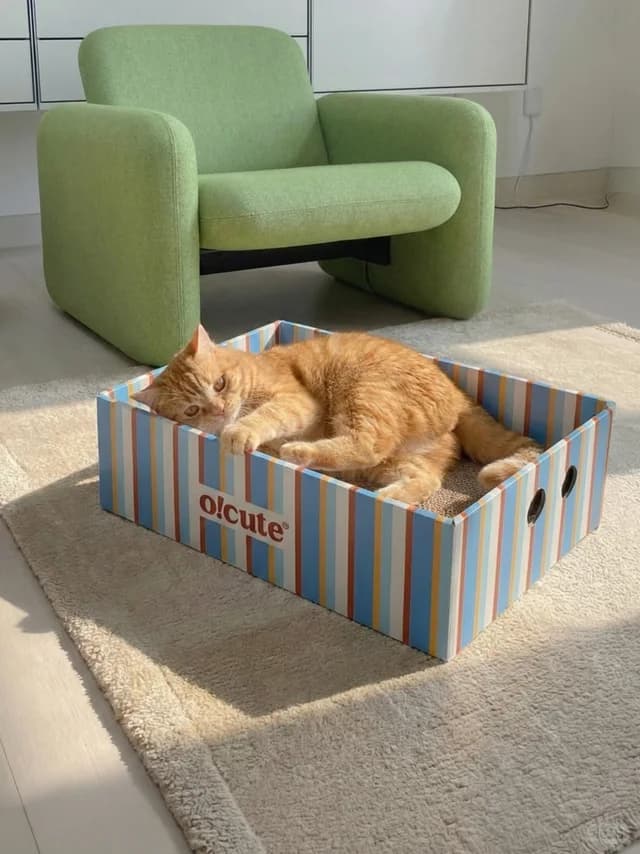
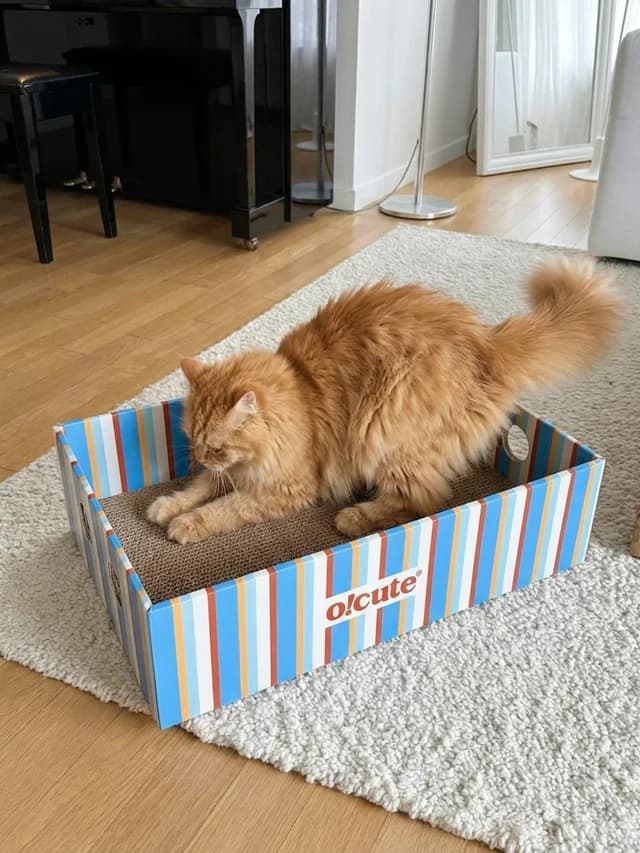
3-in-1 Scratch Box
Scratcher + bed + play box in one colorful package
Low stock: 0 left