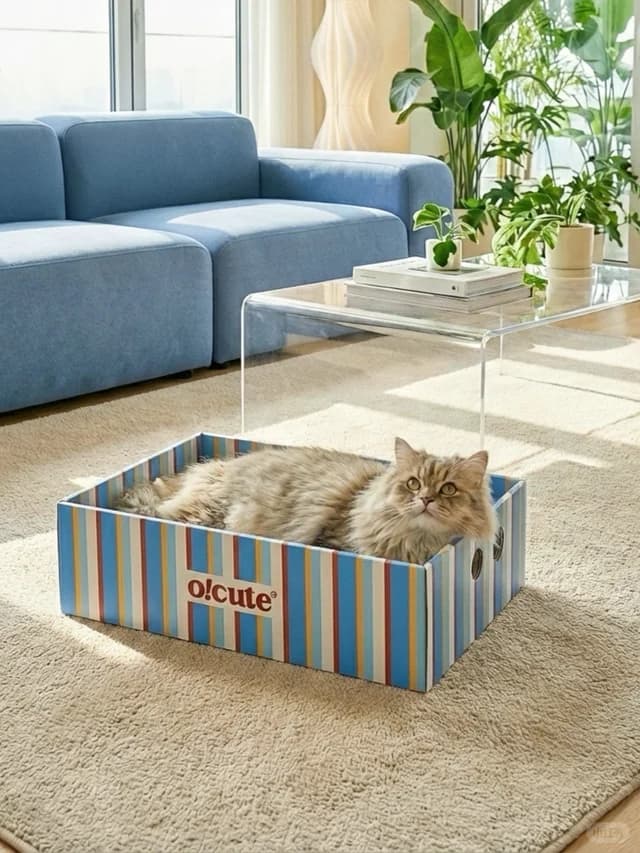
Mid-Century Modern Cat Furniture: How to Find Pieces That Fit Your Aesthetic
Mid-century modern is one of the most-searched cat furniture aesthetics — and for good reason. Tapered legs, walnut tones, and clean upholstery work in almost any home.
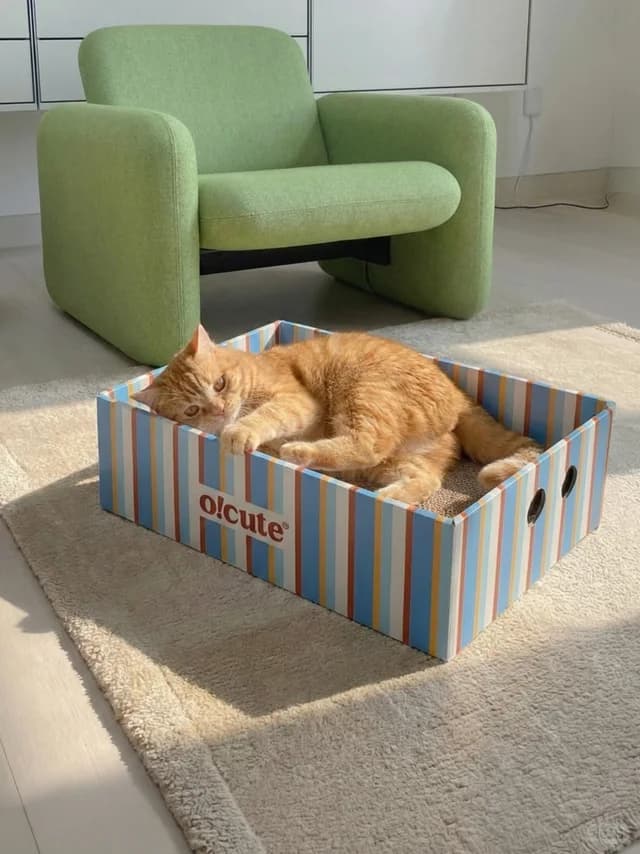
Mid-century modern is one of the most-searched aesthetic terms in cat furniture. The appeal makes sense: tapered legs, walnut tones, clean upholstered surfaces, and geometric restraint fit into a huge range of interior styles without demanding a matching set. But not all products marketed as “mid-century cat furniture” actually deliver on that aesthetic — or on function.
What makes cat furniture actually mid-century modern
Mid-century modern design (originating roughly 1945–1969, experiencing revival from the 2010s onward) is defined by a few consistent elements: organic forms or geometric simplicity, natural materials (walnut, teak, oak, wool, linen), tapered legs, minimal ornamentation, and the principle that form follows function.
Applied to cat furniture, this translates to: exposed wood frames (usually walnut-stained MDF or solid wood), tapered or angled legs, upholstery in neutral or earthy tones (oatmeal, taupe, terracotta, forest green), and structural designs that don't rely on carpet-covering to hide cheap construction.
The opposite: bulky carpet-wrapped towers with faux-fur accents and plastic components. These exist on a completely different aesthetic axis. Mid-century works because the furniture looks designed, not assembled from whatever was cheapest.
The 2026 market for mid-century cat furniture
The modern cat furniture market is projected to grow from $4.2 billion in 2024 to $10.3 billion by 2035, with aesthetic-led designs significantly outpacing generic products. Among US cat owners, demand for furniture that integrates with home decor has increased consistently — the generation of cat owners that is currently in their 30s and 40s grew up watching HGTV and expects their pet furniture to look intentional.
The practical result: more good mid-century options exist now than five years ago, but the category also attracts aesthetic mimicry — products that use walnut-colored sticker veneer and tapered plastic legs to evoke the style without the structural quality.
What to look for (and avoid)
Wood vs. faux-wood: Real solid wood or quality MDF (medium-density fiberboard) with wood veneer holds up to cat use. Particle board with paper-thin veneer or plastic-covered legs deteriorates quickly when cats use scratching surfaces aggressively. Check product photos for corner edges — real MDF shows a clean edge; particle board shows a coarser grain.
Upholstery durability: Mid-century aesthetic typically uses smooth or textured woven fabrics. These are more claw-resistant than tufted fabrics but still require realistic expectations — any soft surface in a home with cats will eventually show use. Look for covers that are removable and replaceable.
Function over form:A mid-century cat tree that's too narrow for your 14 lb Maine Coon to actually rest on is not functional furniture, it's expensive decoration. Measure platform dimensions (16+ inches for lying) and confirm the unit is stable at the base — tapered legs look good but can create stability issues on taller units if the base width is insufficient.
Integration tips
Mid-century cat furniture works best when it relates to at least one other element in the room — a matching wood tone, a shared color in upholstery, or a complementary geometric form. Our hexagon cat nest uses a geometric form that fits naturally in mid-century and Scandi-modern contexts without demanding a matched set.
Sources & Further Reading
Products Mentioned
Only 0 leftHexagon Cat Nest
Geometric hexagonal bed with built-in scratch surfaces
Low stock: 0 left
 NewOnly 0 left
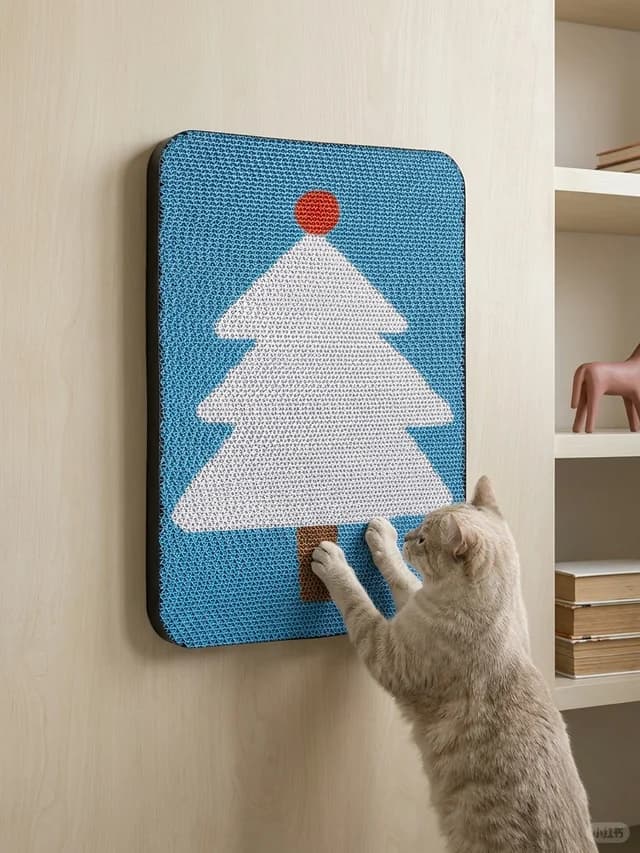
Tree Wall Scratcher
Christmas tree-shaped knitted wall scratcher — functional wall art
Low stock: 0 left
 Best SellerOnly 0 left
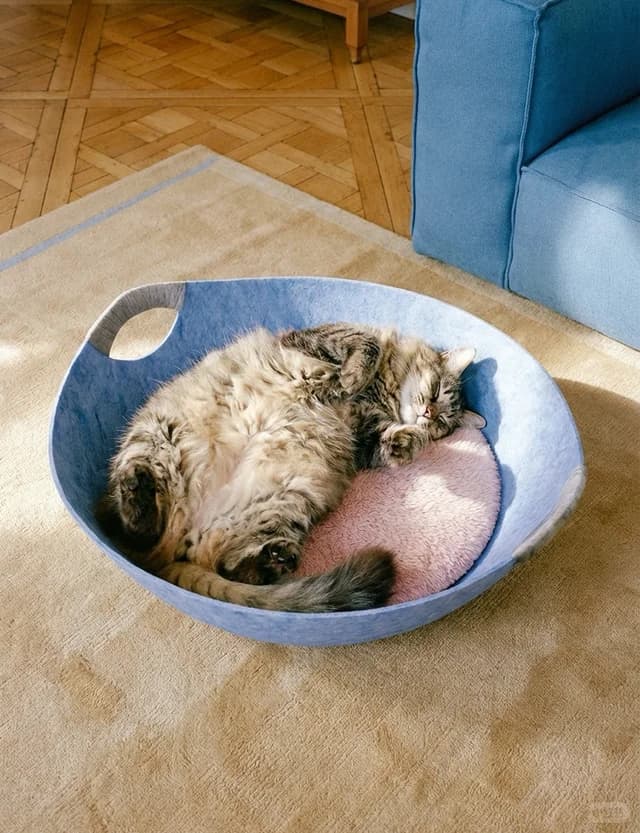
Bowl Cat Bed
Premium woven felt bowl bed — your cat's favorite nap spot
Low stock: 0 left