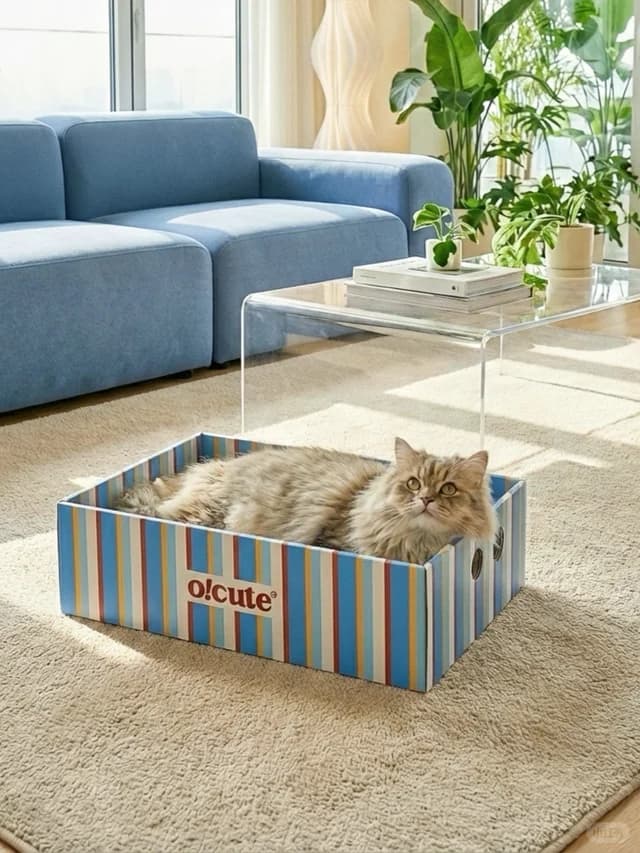
Designer Cat Furniture: 7 Ways to Blend Cat Gear Into Your Home Decor
The old days of hiding ugly beige cat trees in the corner are over. Modern designer cat furniture treats your cat's gear as part of your home — not an eyesore.
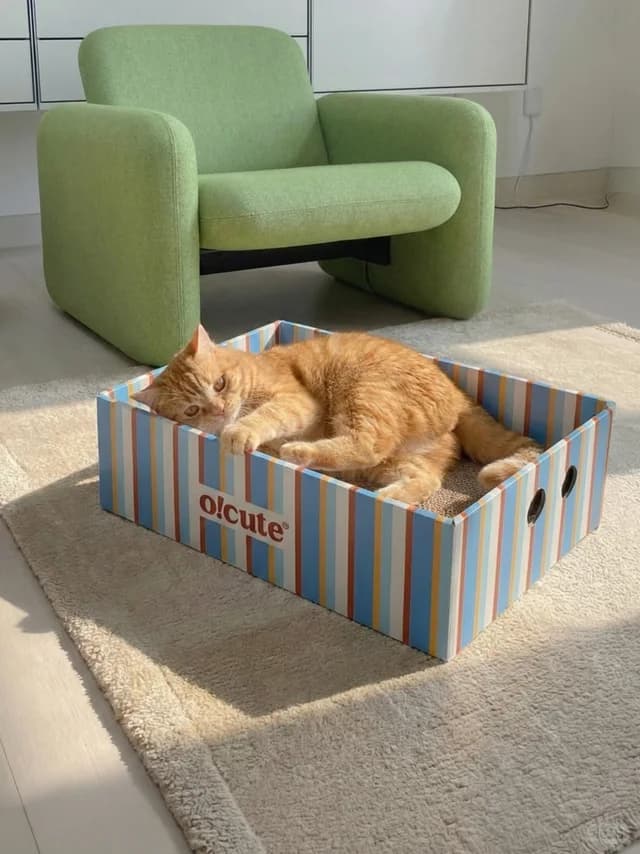
For a long time, owning a cat meant accepting that your home was going to look a little off. Giant beige cat trees in the corner. Plastic litter trays you tried to hide behind a plant. Pet-store beds covered in cartoon fish. None of it matched your actual taste.
That era is ending. Designer cat furniture — pieces actually designed to look good in a home, not just function for a cat — has become its own category. Here are seven rules for choosing cat gear that blends into your decor instead of fighting it.
Rule 1: Pick a palette and stick to it
Walk through your living room and notice the dominant 2–3 colors. That's your palette. Dusty blue and warm grey? Cream and terracotta? Charcoal and oak? Whatever it is, every cat item you buy should fall inside it.
This one rule will do 70% of the work. A dusty blue felt bowl bed near a dusty blue throw pillow reads as intentional. The same bed in neon orange reads as clutter. Same product, different outcome.
Rule 2: Choose shapes that look architectural
Round bowls, hexagons, ovals, and clean geometric shapes tend to look like furniture. Cartoon-animal-shaped beds, paw-print patterns, and fake fur finishes tend to look like pet products. The difference is whether the shape would look at home in a minimalist catalog.
Rule 3: Favor natural materials
Wool felt, natural sisal, solid wood, cotton, rattan — these all have a tactile quality that plastic and nylon will never match. They also age more gracefully. A felt bed gets a little softer and more character-filled over a year. A nylon plush bed just looks tired.
Rule 4: Use walls, not floors
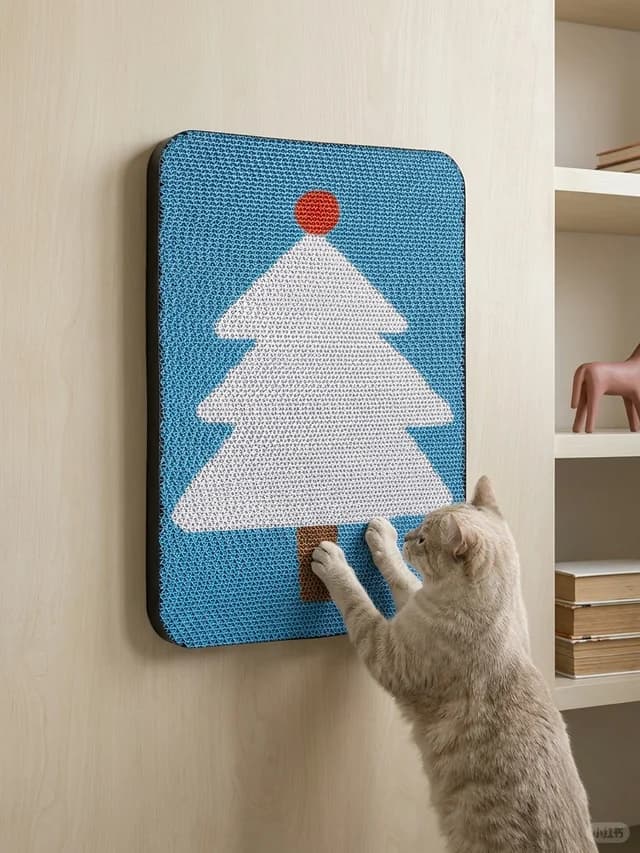
Floor space is expensive in small homes. Walls are free. Modern cat furniture increasingly hangs on the wall: scratchers, shelves, climbing steps. A tree-shaped wall scratcher or designer sisal wall mat can act as wall art while also being functional for your cat.
Bonus: wall-mounted scratchers keep the scratching at an adult eye-level, which looks much more intentional than a post lying on the floor.
Rule 5: Make one piece the "hero"
Don't try to hide your cat gear. One of the counterintuitive secrets of good cat-friendly interiors is to pick one standout piece and show it off. A sculptural hexagon nest next to the sofa. A statement wall scratcher above the console table. The trick is to treat it as decor, not as a pet accessory.
Rule 6: Hide the ugly stuff
Some cat items will never look good. Litter boxes. Food bowls. The weird plastic brush you use. Put those in cabinets, behind doors, or in a laundry room. The visible items should be the ones you chose deliberately.
Rule 7: Buy fewer, better pieces
A common mistake is buying every cat product that looks cute on Instagram. You end up with 11 small items scattered around the house, and the cat only uses 3 of them. Designer cat furniture is usually a bit more expensive per piece, but you need fewer of them. Pick a bowl bed, a wall scratcher, and one sculptural piece — and stop there.
A sample setup
Here's what a thoughtful, small-apartment cat setup might look like:
- One felt bowl bed near the sunny window for morning naps.
- One hexagon cat nest next to the sofa (doubles as a scratcher).
- One wall-mounted tree scratcher in the hallway, mounted at cat stretch height.
- Litter box tucked into a cabinet in the laundry room.
That's it. Three visible items, all chosen to look good together, all actually useful to your cat. A home that looks like a home — with a cat that's happier than ever.
Products Mentioned
Only 0 leftHexagon Cat Nest
Geometric hexagonal bed with built-in scratch surfaces
Low stock: 0 left
 Best SellerOnly 0 left
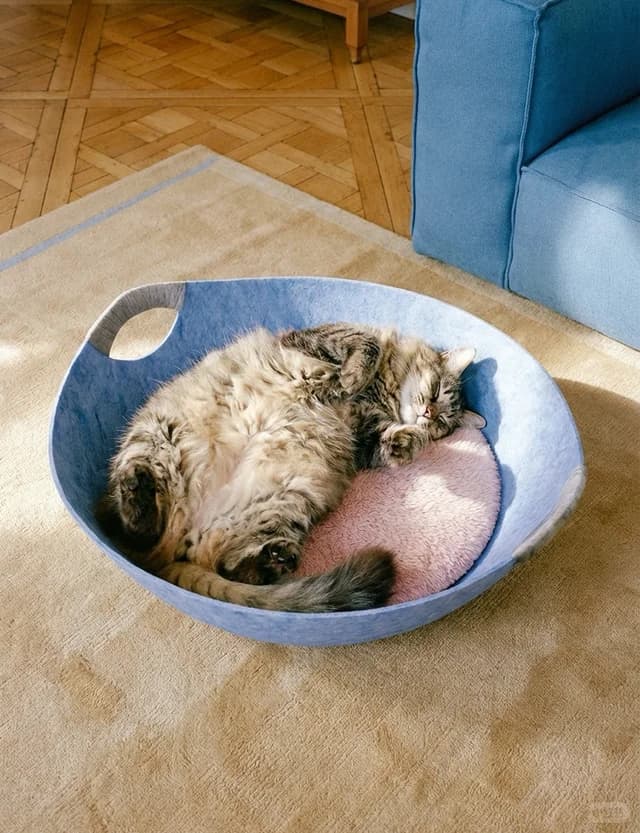
Bowl Cat Bed
Premium woven felt bowl bed — your cat's favorite nap spot
Low stock: 0 left
 NewOnly 0 left
Tree Wall Scratcher
Christmas tree-shaped knitted wall scratcher — functional wall art
Low stock: 0 left