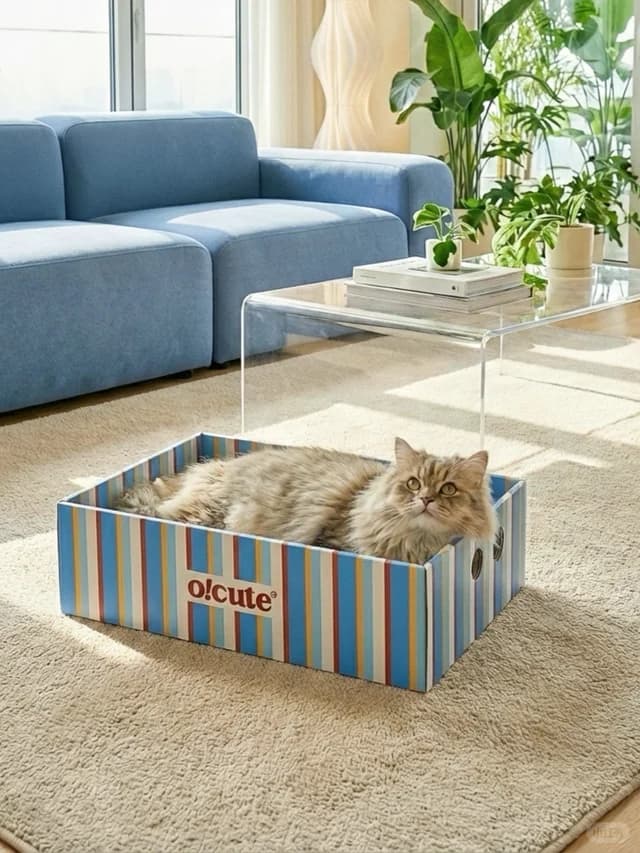
Cute Cat Trees: How to Find Aesthetic Designs Your Cat Will Actually Use
The market for cute cat trees has exploded — but many prioritize aesthetics over function. Here's how to tell a genuinely good design from one that just photographs well.
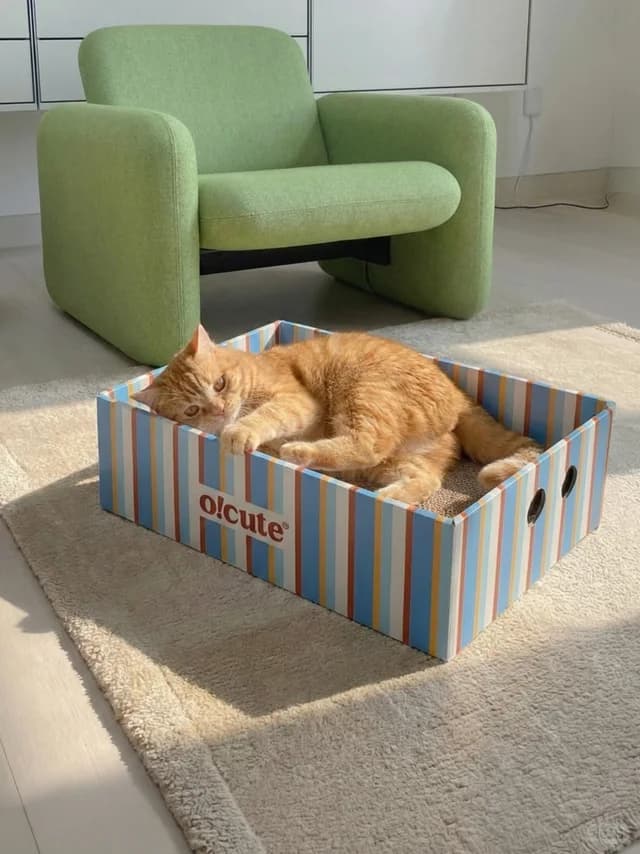
The market for cute cat trees — pastel, sculptural, novelty-shaped designs that double as home decor — has grown significantly since 2020. Demand is real, and the range of available designs is genuinely broader than it's ever been. But “cute” and “functional” are in frequent tension in this category. Here's how to find a cute cat tree that your cat will actually use.
The function checklist
Before buying any cat tree, run it against four questions:
- Does it have a scratching post long enough for a full body stretch? (Minimum 18 inches of sisal)
- Does it have at least one elevated platform for resting? (Preferably above sofa height — 30+ inches)
- Is the base wide enough relative to height to be stable? (At least 18 × 18 inches for trees over 40 inches tall)
- Is the weight limit realistic for your cat? (Listed limit should be at least 150% of your cat's weight)
A cute cat tree that passes all four is a good cat tree that happens to look great. One that fails two or more is decorative furniture, not cat furniture — your cat will ignore it within a week.
The design trends that actually work for cats
Mushroom shapes — round platforms with curved tops — are one of the best aesthetic-meets-function designs. The curved cap creates a partially enclosed feeling that cats prefer to flat open platforms, and the round shape accommodates cats of different sizes comfortably.
Floral and petal designs typically have large circular top platforms with good surface area, and the sisal stem is usually substantial. The main risk is that decorative foam petals around the platform edge reduce usable surface area — cats need flat space, not decorative bumpers.
Geometric and Scandi-minimal designs(hexagonal shelves, clean line towers) tend to have the best function-to-aesthetic ratio because the design language doesn't conflict with structural requirements. A clean MDF tower with sisal posts and a simple fabric platform looks modern, is stable, and cats use it reliably.
What to check in reviews
Search reviews for: “wobble,” “won't use it,” “tipped over,” and “smaller than expected.” These are the four most common failure modes for aesthetic cat trees. Positive reviews that mention specific cat weights (e.g. “my 14 lb Maine Coon uses it daily”) are more reliable than generic five-star ratings.
Sources & Further Reading
Products Mentioned
Only 0 leftHexagon Cat Nest
Geometric hexagonal bed with built-in scratch surfaces
Low stock: 0 left
 NewOnly 0 left
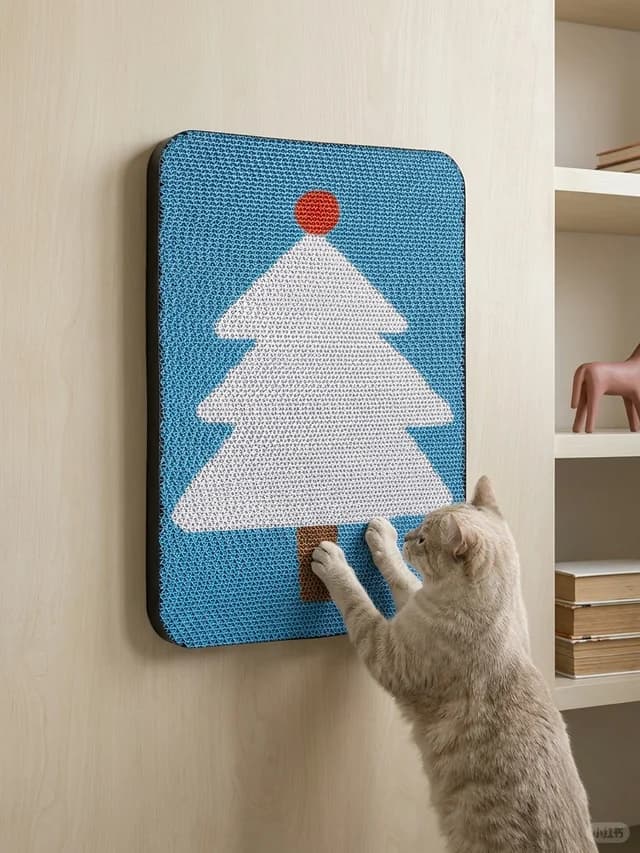
Tree Wall Scratcher
Christmas tree-shaped knitted wall scratcher — functional wall art
Low stock: 0 left
 Best SellerOnly 0 left
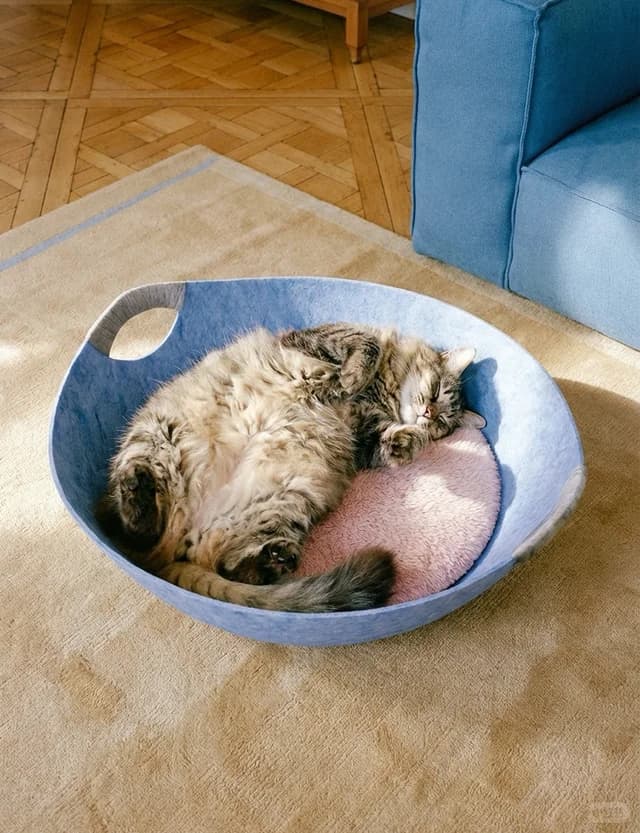
Bowl Cat Bed
Premium woven felt bowl bed — your cat's favorite nap spot
Low stock: 0 left