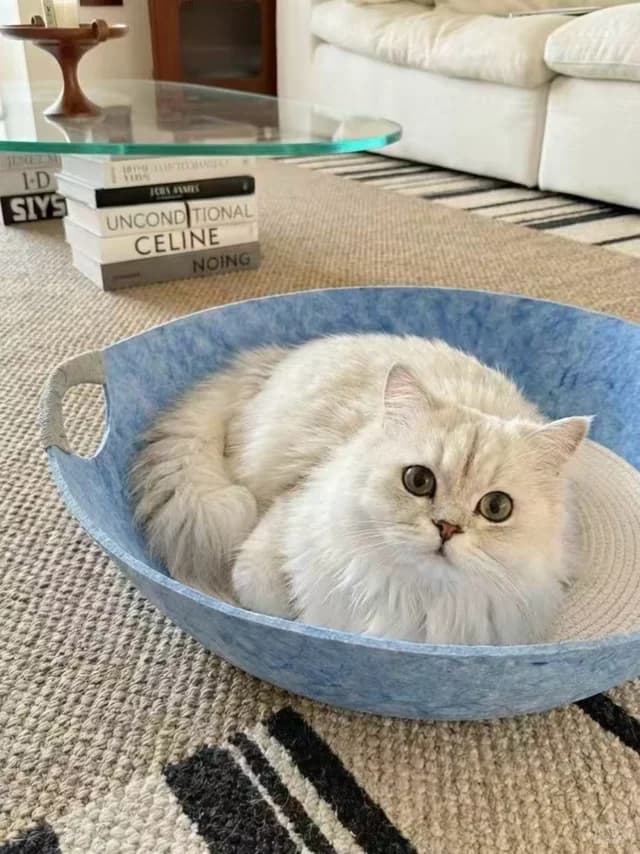
Heated & Self-Warming Cat Beds: What Actually Works (2026 Guide)
A cat's thermoneutral zone starts at 86°F — well above most home temperatures. Heated and self-warming beds can close that gap, but not all of them work the same way.
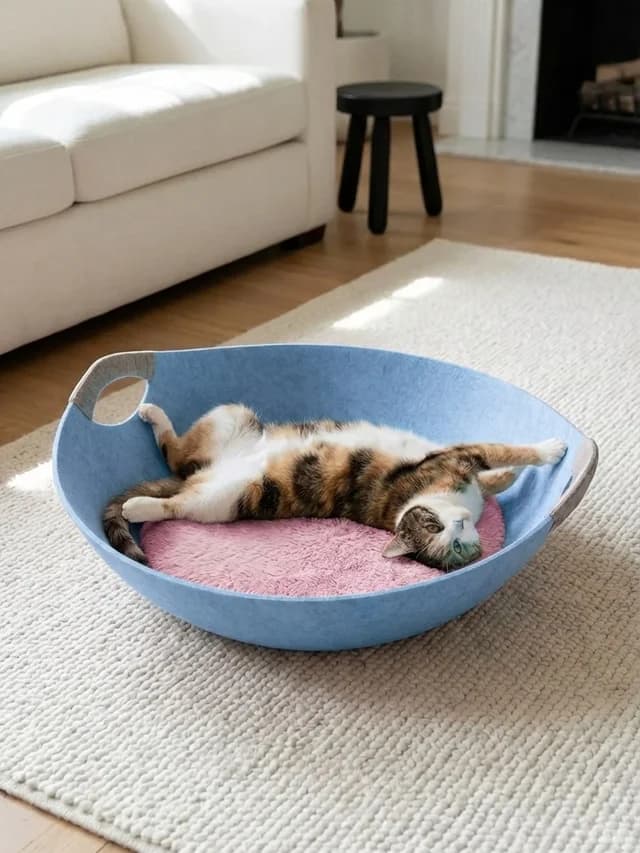
My cat Mochi used to spend every winter wedged behind the radiator. Not near it — behind it, in the narrow gap between the cast iron and the wall, where the temperature could easily hit 90°F. She wasn't being weird. She was being a cat. The feline thermoneutral zone — the temperature range where cats don't have to burn extra energy to stay warm — starts at 86°F (30°C), according to the National Research Council's Nutrient Requirements of Cats. Most living rooms sit around 68–72°F. That's a 14–18 degree gap your cat is always trying to close.
Heated and self-warming cat beds exist to close that gap. But the marketing around them is confusing — "self-warming," "thermal," "electric," and "heated" all mean different things and work in fundamentally different ways. Here's what actually matters before you buy.
Self-Warming vs. Electric: The Core Difference
These two categories are often lumped together but are completely different products.
Self-warming bedsuse reflective materials — typically a Mylar or metalized polyester layer — to reflect your cat's own body heat back at them. No electricity, no cords, no settings. They work like a sleeping bag: they don't generate heat, they retain it. The warmth your cat feels comes from themselves. A good self-warming bed can raise the perceived temperature by 10–15°F compared to a standard polyester bed. Dense wool felt — like the material in our Bowl Cat Bed — also functions as a passive insulator, trapping warm air in the fibers the way wool insulates human clothing.
Electric heated beds use a low-wattage heating element (typically 4–10 watts) embedded in the bed surface, controlled by a thermostat that targets a specific temperature — usually around 102°F, just above normal feline body temperature. They require a power cord, need to be plugged in, and carry additional safety considerations around chewing and water exposure.
Which Cats Actually Need a Heated Bed?
Most healthy adult cats in a normally heated home (65°F+) don't need an electric heated bed. A well-insulated self-warming bed gives them enough. But certain cats genuinely benefit from active heat:
- Senior cats (10+ years) — Older cats have reduced muscle mass and lower metabolic rates, which makes thermoregulation harder. A 2013 AAFP welfare paper notes that thermal comfort becomes especially important for geriatric cats.
- Cats recovering from surgery or illness — Anesthesia temporarily disrupts thermoregulation. Post-op cats often need supplemental warmth for 24–48 hours.
- Underweight or small cats — Body fat is a thermal buffer. Cats under 7 lbs with low body fat lose heat faster and feel cold more acutely.
- Short-haired and hairless breeds — Sphynx, Devon Rex, and Cornish Rex cats lack the insulating undercoat that regulates temperature in most domestic cats.
- Cats in cold climates or drafty homes — If your indoor temperature drops below 60°F regularly (common in older apartments), a heated bed becomes genuinely useful rather than a luxury.
Self-Warming Beds: What to Look For
For most cats, a self-warming bed is the right first choice. It's simpler, safer, and requires no maintenance. Here's what to evaluate:
- Wall thickness and fill density — A thicker bed retains more heat. Look for at least 2 inches of fill, ideally wool or memory foam rather than thin polyester batting.
- Raised or enclosed sides— Walls and enclosed shapes trap warm air around the cat's body rather than letting it escape. A bowl shape retains significantly more warmth than a flat mat. Our Pink Felt Bowl Bed uses a deep bowl profile specifically for this reason.
- Material thermal properties— Wool is the best natural insulator for cat beds. It regulates temperature in both directions (warming in cold, cooling in heat) and doesn't compress flat over time the way polyester does.
- Reflective lining— If the product claims "self-warming," confirm it actually has a Mylar or thermal reflective layer. Some brands use this as a marketing term for any thick bed.
Electric Heated Beds: Safety Checklist
If you do go electric, safety matters more than warmth output. Most electric cat beds run at very low wattage — the risk isn't burning your cat (thermostats prevent that), it's electrical safety over long-term use.
- Look for UL or ETL certification — These third-party safety certifications mean the heating element and thermostat have been tested to a safety standard. Avoid uncertified products from unknown suppliers.
- Check cord protection— Cats chew cords. A steel cord wrap or thick rubber sheathing is not optional; it's required.
- Thermostat control range — A good electric bed targets 100–102°F (just below feline body temperature). Beds that get hotter than 105°F can cause thermal burns over hours of contact.
- Water resistance — Cats drool, water bowls tip. The heating element should be sealed against moisture.
Common Mistakes
- Buying electric when self-warming would work— Most healthy adult cats in a 68°F apartment don't need active heat. Self-warming beds are cheaper, safer, and require zero maintenance.
- Ignoring placement— Even the best heated bed won't work if it's placed in a drafty doorway or cold tile floor. Place it on carpet or a rug, away from vents and drafts.
- Not checking whether your cat will tolerate warmth — Some cats, especially those who overheat easily (heavy-coated breeds, overweight cats), may actively avoid a heated surface. Test with a self-warming option first.
- Buying a flat heated mat for a cat who prefers enclosures — Anxious cats in particular want walls around them, not just warmth below them. Our Hexagon Cat Nest provides both insulation and enclosed sides for cats who need security as much as warmth.
The Bottom Line
For most cats in most homes: start with a high-quality self-warming bed made from dense wool or felt. The bowl shape and thick walls do more thermal work than most owners expect. Reserve electric beds for senior cats, post-surgery recovery, or genuinely cold homes — and always prioritize safety certifications over wattage claims.
Your cat isn't being dramatic when they chase every warm spot in the house. They're doing exactly what their biology requires. Give them a bed that meets them there.
Sources & Further Reading
- National Research Council (2006). Nutrient Requirements of Dogs and Cats. National Academies Press. Chapter 2: Energy.
- Ellis, S.L.H., Rodan, I., et al. (2013). AAFP and ISFM Feline Environmental Needs Guidelines. Journal of Feline Medicine and Surgery, 15(3), 219–230.
- Underwood, W., Anthony, R., et al. (2013). AVMA Guidelines for the Euthanasia of Animals — Thermal Comfort in Cats (background reference).
Products Mentioned
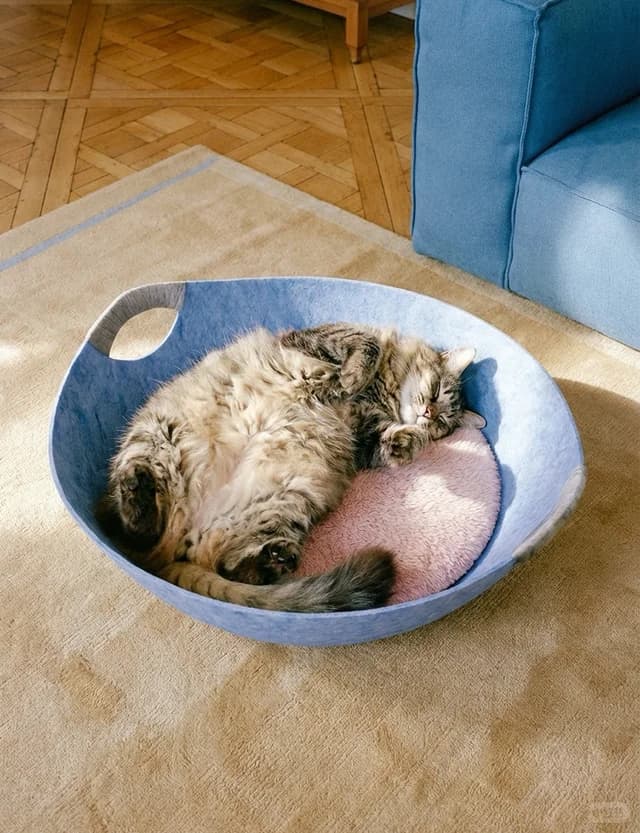 Best SellerOnly 0 left
Bowl Cat Bed
Premium woven felt bowl bed — your cat's favorite nap spot
Low stock: 0 left
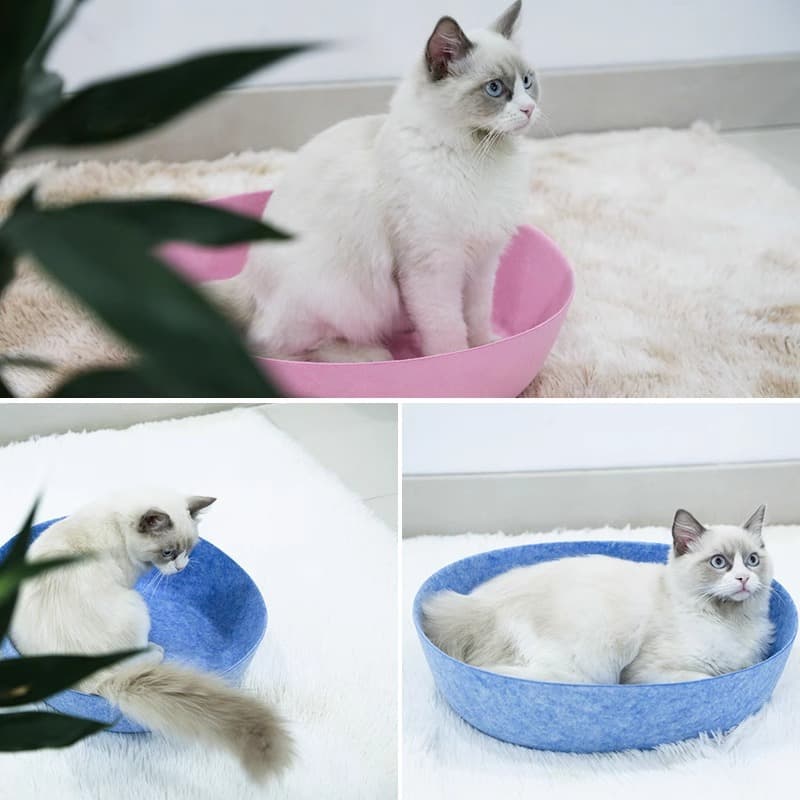 Spring EditionOnly 0 left
Pink Felt Bowl Bed
Spring edition blush pink bowl bed in premium felt
Low stock: 0 left
 Only 0 left
Hexagon Cat Nest
Geometric hexagonal bed with built-in scratch surfaces
Low stock: 0 left