Best Cat Trees for Large & Heavy Cats: Stability, Size, and Safety Guide
A 20-lb Maine Coon will tip a standard cat tree on the first jump. Large cats need platforms at least 16 inches wide and a base wider than the tree is tall.
Here's something most cat tree listings don't tell you: the weight limits they advertise are often theoretical maximums, not safe operational loads. A cat tree rated for "up to 25 lbs" might handle a 25-lb static weight — but a 20-lb Maine Coon launching off the top platform generates three to four times its body weight in impact force. I've seen two "heavy duty" cat trees fail under a cat that weighed less than the stated limit.
If your cat is over 15 lbs — and large breeds like Maine Coons, Ragdolls, Norwegian Forest Cats, and Siberian cats routinely reach 18–25 lbs — standard cat trees are not built for them. Here's what actually makes a cat tree safe and usable for a large or heavy cat.
Why Standard Cat Trees Fail Large Cats
Most mid-range cat trees are designed around a 10–12 lb domestic shorthair. The structural decisions reflect that:
- Post diameter — Standard posts are 3–4 inches in diameter. For a large cat, 4–6 inch posts provide the rigidity to resist torque when a 20-lb cat shifts their weight.
- Platform size — A 10-lb cat fits on a 12-inch round platform. A 20-lb Maine Coon needs at least 16 × 16 inches to sit, stretch, and turn around without hanging over the edge.
- Base-to-height ratio — The most common failure mode is tipping. A safe cat tree for a large cat should have a base that is at least as wide as the tree is tall. Most budget trees violate this ratio badly.
- Connection hardware — Cheap trees use small screws into particleboard. Look for bolted connections with metal brackets, not just wood screws.
Wall-Mounted Options: The Structural Alternative
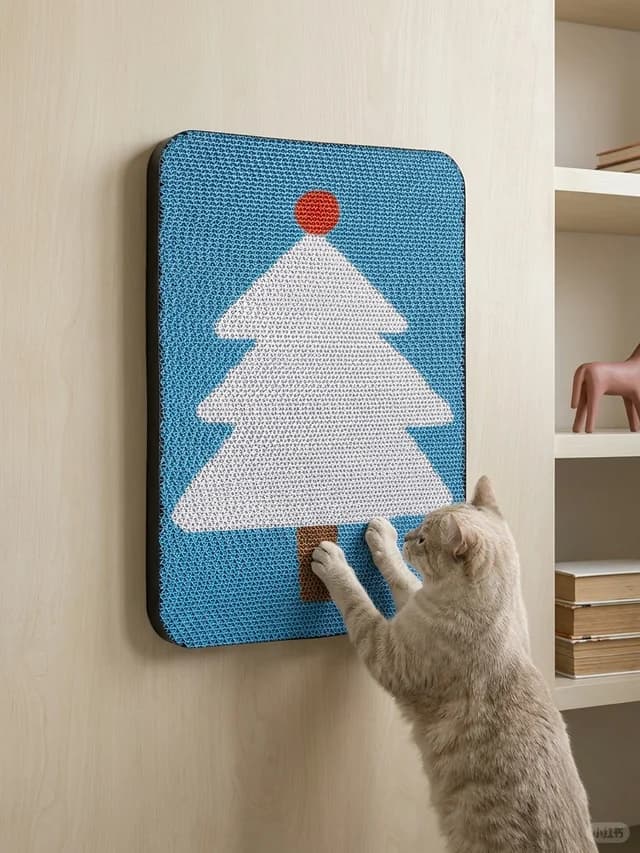
For very large cats — anything over 18 lbs — wall-mounted cat furniture is often a better answer than a freestanding tree. A properly anchored wall scratcher or shelf can handle far more dynamic load than any freestanding product, because the force is distributed into wall studs rather than a narrow base.
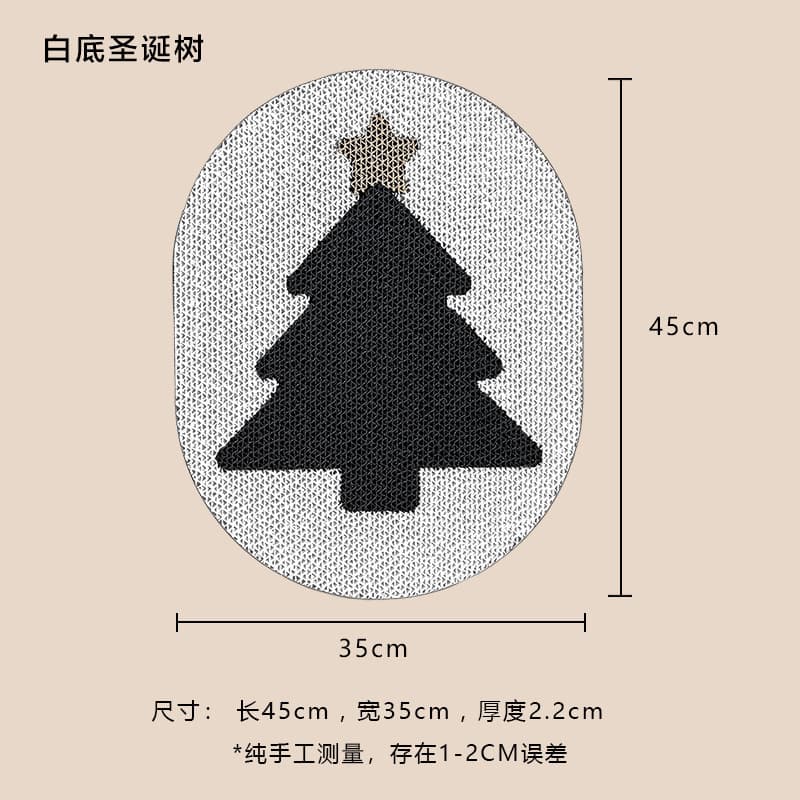
Our Tree Wall Scratcher is anchored directly into wall studs and supports the weight of cats up to 25 lbs with zero wobble. The vertical sisal surface also satisfies the full-stretch scratching that large cats need — a scratching motion that requires reaching at least the full length of the cat's spine, which is 20–24 inches for most large breeds.
Key Specifications to Check
- Post diameter: 4 inches minimum for cats 15–20 lbs; 5–6 inches for cats over 20 lbs.
- Platform dimensions: 16 × 16 inches minimum for large cats; 18 × 18 inches ideal for Maine Coons.
- Base dimensions: Should be at least 70–80% as wide as the tree is tall. A 60-inch tree needs at least a 42-inch base.
- Stated weight limit: Multiply by 0.6 to get a realistic safe load. If a tree says 25 lbs, treat it as safe for cats up to ~15 lbs.
- Board material: Solid wood or birch plywood holds screws far better than MDF or particleboard. Check the product description or contact the seller.
What Sizes Are We Talking About?
For context, here are the typical adult weight ranges for popular large breeds, according to veterinary reference data:
- Maine Coon: Males 13–18 lbs; females 8–12 lbs. Some males exceed 20 lbs.
- Ragdoll: Males 15–20 lbs; females 10–15 lbs.
- Norwegian Forest Cat: Males 12–16 lbs; females 8–12 lbs.
- Siberian: Males 11–17 lbs; females 8–12 lbs.
- Savannah (F2–F5): 12–20 lbs depending on generation.
Common Mistakes
- Trusting the stated weight limit at face value. As noted above, dynamic impact loads during jumping are 3–4x body weight. Apply the 0.6x safety factor.
- Buying a tall tree for a large, older cat. A 20-lb 10-year-old Ragdoll with early arthritis should not be jumping to a perch at 6 feet. Keep resting platforms below 3 feet for senior large cats.
- Prioritizing platform count over platform size. Five small platforms are worse than two large platforms for a large cat.
- Skipping the base-stability test before full use. When you receive a cat tree, push it firmly from the top before your cat uses it. It should not rock at all. If it does, anchor it to the wall with the L-bracket that most trees include.
The Wall-Mounted Advantage for Small Spaces
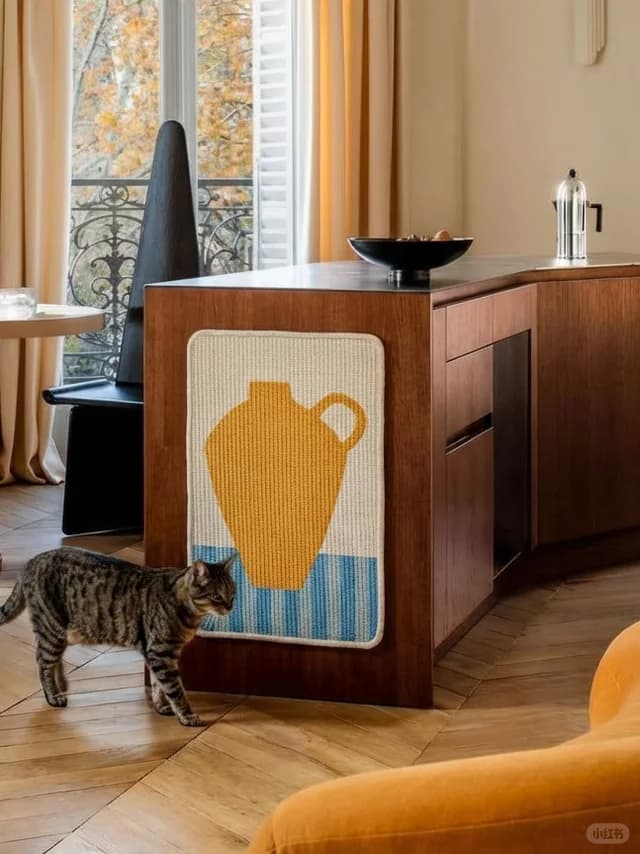
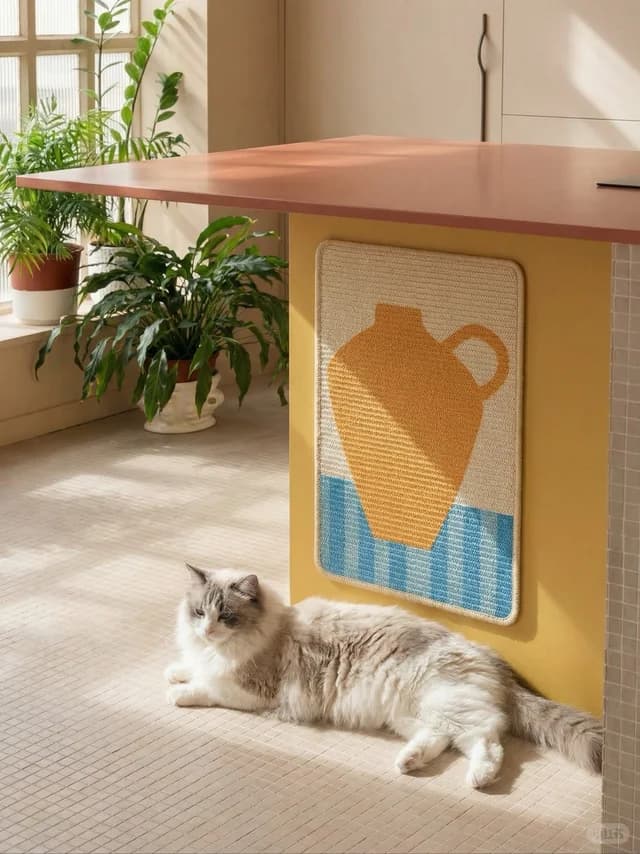
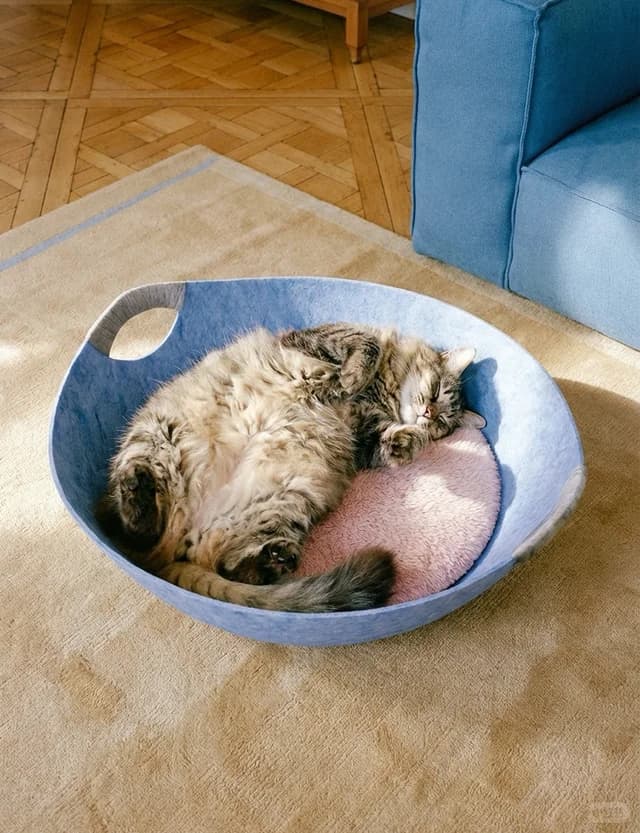
If you're in an apartment with a large breed, wall-mounted cat furniture solves two problems at once: structural load capacity and floor space. Our Sisal Wall Mat gives large cats a dedicated vertical scratching surface at full extension, while our Bowl Cat Bedprovides a ground-level resting spot that's proportioned for cats up to 20 lbs (inner diameter 18 inches, depth 5 inches).
Large cats are some of the most personable, dog-like companions in the cat world. They deserve furniture that won't wobble, tip, or compress under them. Get the specifications right and they'll use their furniture — rather than your sofa and dining table — for years.
Sources & Further Reading
Products Mentioned
NewOnly 0 leftTree Wall Scratcher
Christmas tree-shaped knitted wall scratcher — functional wall art
Low stock: 0 left
 Only 0 left
Sisal Wall Mat
Designer striped wall-mounted sisal scratching mat
Low stock: 0 left
 Best SellerOnly 0 left
Bowl Cat Bed
Premium woven felt bowl bed — your cat's favorite nap spot
Low stock: 0 left