Cat-Safe Materials Guide: How to Choose Non-Toxic Pet Furniture
Your cat licks, chews, and sleeps on their furniture for 15+ hours a day. The materials matter more than most owners realize.
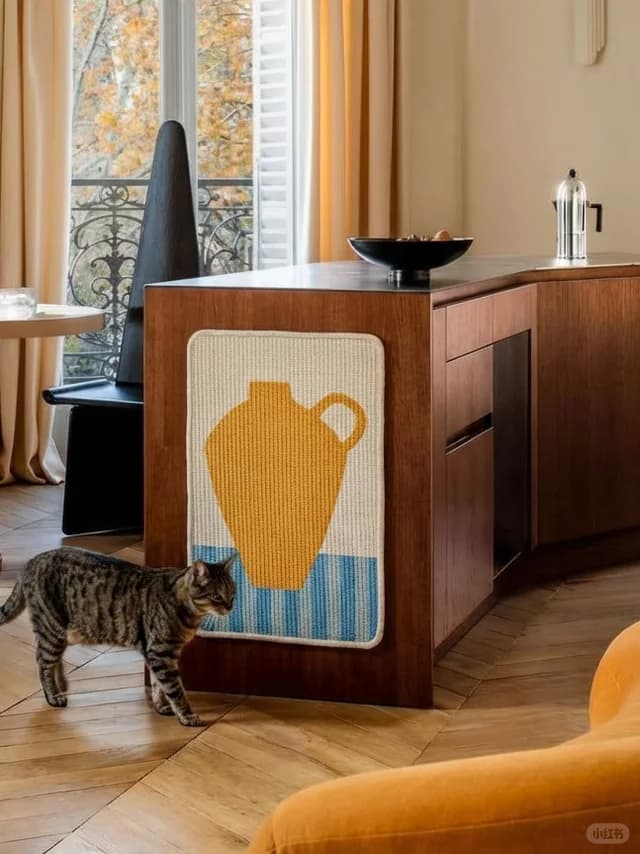
Your cat spends somewhere between 15 and 20 hours a day in direct contact with its furniture — sleeping on it, kneading it, licking it, chewing on it, and rubbing its face against it. That's an extraordinary amount of exposure. And unlike humans, cats groom themselves by licking, which means anything on the surface of their bed, scratcher, or perch can end up being ingested. This is why the materials in your cat's furniture matter far more than most owners realize.
This guide breaks down which materials are genuinely safe, which ones deserve caution, and how to read between the lines of product descriptions that use words like "natural" and "eco-friendly" without meaning much of anything.
The safe list: materials you can trust
100% wool felt
Wool felt is one of the safest materials for cat furniture. It's naturally antibacterial, moisture-wicking, and — when sourced as dense, high-quality felt — extremely durable. Unlike synthetic fabrics, wool doesn't shed microfibers that cats can inhale or ingest. Woolly Felt confirms that pure wool felt products are safe for pets, provided they're made without chemical dyes or synthetic binders. The key distinction is between genuine wool felt and cheap craft felt — the latter is often a polyester blend that can pill, shed, and break apart under a cat's claws.
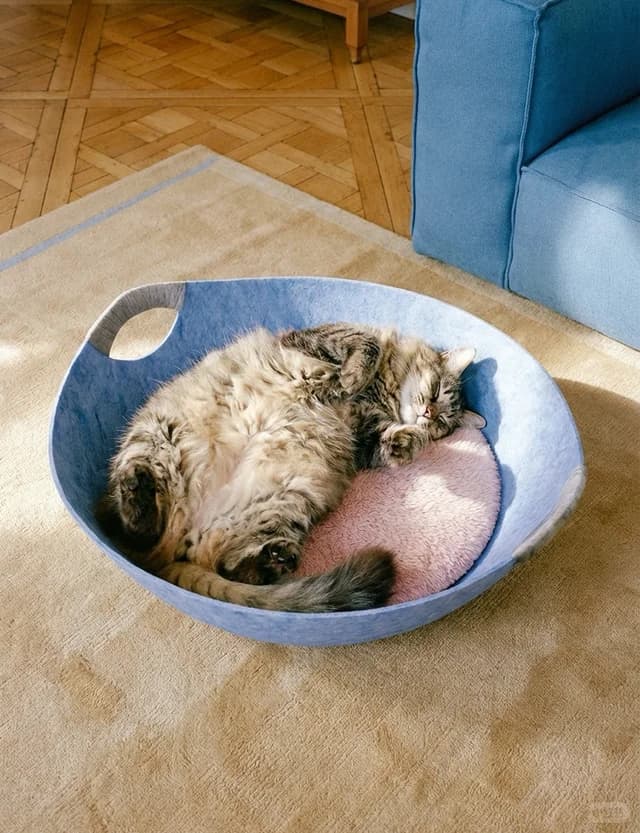
Our Bowl Cat Bedis made from dense wool felt specifically for this reason — it holds its shape under daily kneading, resists shedding, and doesn't introduce synthetic fibers into your cat's environment.
Natural sisal
Sisal rope and sisal fabric are derived from the agave plant and are inherently non-toxic. Cats love the texture for scratching because the fibers catch their claws in a satisfying way and provide excellent resistance for a full-body stretch. However, not all sisal is equal. Some manufacturers treat sisal rope with fungicides or petroleum-based oils to extend shelf life, which can be harmful if ingested. Look for products that specify "untreated" or "natural" sisal.
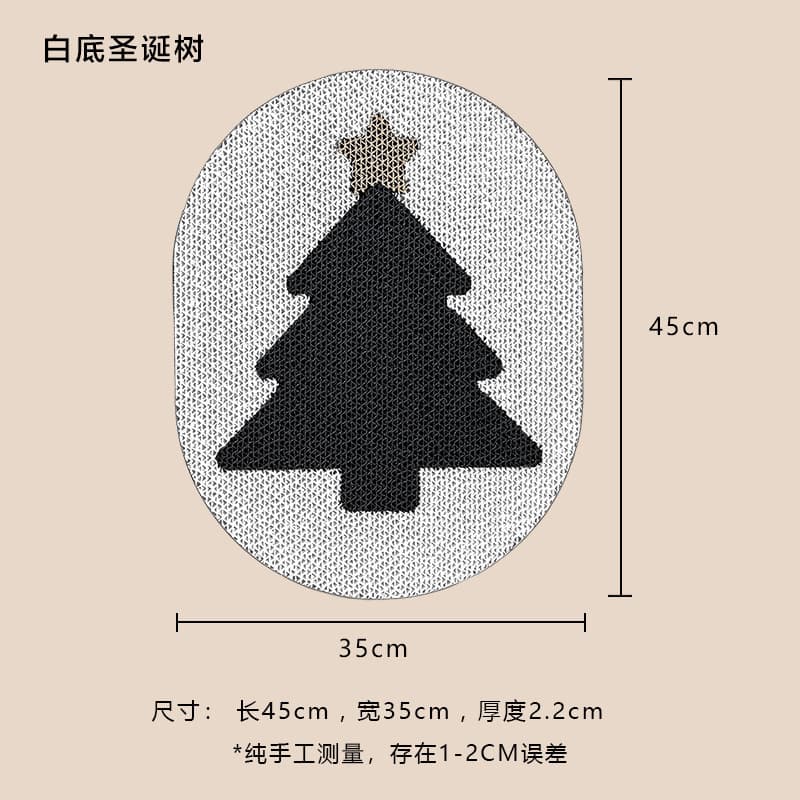
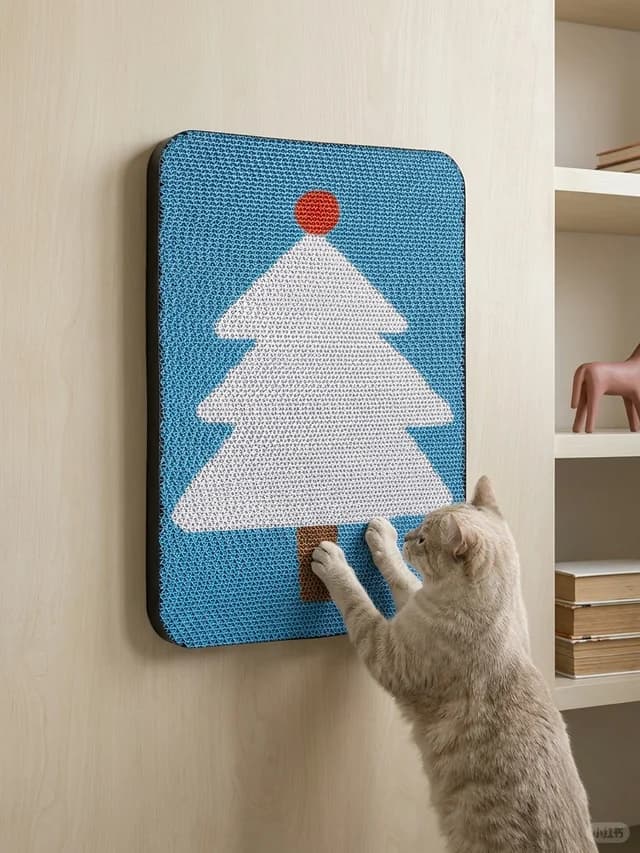
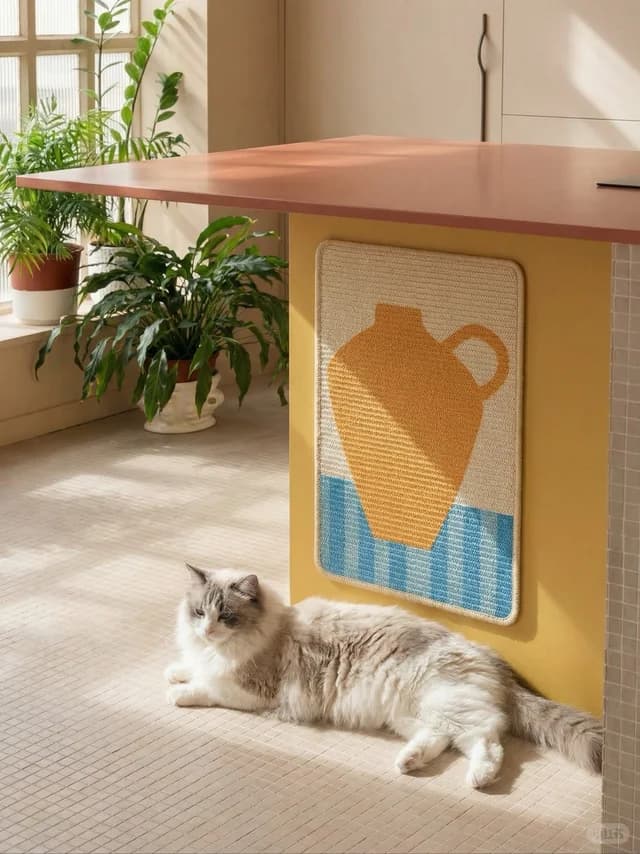
The Tree Wall Scratcher and Sisal Wall Mat both use natural, untreated sisal — the kind you can trust against your cat's tongue.
Uncoated corrugated cardboard
Corrugated cardboard is a staple of cat scratchers, and for good reason: it's cheap, cats love it, and it's biodegradable. The safety question with cardboard comes down to adhesives. Quality cat scratchers use non-toxic, food-grade adhesives to bond the corrugated layers. Look for product descriptions that mention "non-toxic adhesive" or "food-grade glue." If neither is mentioned, it's worth asking the manufacturer.
Other safe materials
- Organic cotton: Breathable, washable, and non-toxic. Ideal for removable bed covers and cushion inserts.
- Hemp: Naturally antimicrobial and extremely durable. Increasingly used in premium cat furniture, though still uncommon in the mass market.
- Untreated solid wood: Birch, pine, and poplar are safe choices. Avoid MDF or particle board, which can contain formaldehyde-based resins.
The caution list: materials that need scrutiny
Treated carpets
Many cat trees and scratching posts are covered in carpet remnants that were manufactured for human flooring — not for intimate contact with animals. These carpets often contain fire retardants (PBDEs), chemical dyes, and stain-resistant coatings (PFAS) that can be harmful with prolonged exposure. When a cat scratches carpet-covered furniture, it loosens fibers that the cat then licks off its paws during grooming.
Synthetic plush and fleece
That soft, fluffy bed might feel luxurious, but if it's made from polyester fleece, it sheds microfibers — tiny plastic particles that your cat ingests during grooming. Over time, microfiber ingestion is an emerging concern in veterinary science. Dense wool felt or organic cotton are safer alternatives that provide equal warmth and comfort.
Cheap plastics
Plastic components in cat furniture (trays, liners, clips) should be BPA-free at minimum. Cats that chew or lick plastic components — which many do — are directly ingesting whatever chemicals are in that plastic. When possible, choose products with wood or metal structural elements instead.
Painted or stained wood
Wood is safe; what's on the wood might not be. VOCs (volatile organic compounds) from paints, stains, and lacquers can off-gas for weeks or months. If a product uses painted wood, verify that the finish is water-based and low-VOC. Shizhoo recommends looking specifically for pet-safe or nursery-safe finishes, which are held to stricter VOC limits.
How to read a product listing like a skeptic
Pet furniture marketing is full of vague claims. Here's how to cut through them:
- "Natural materials" — This means nothing without specifics. Natural materials include asbestos. Look for the actual material name: sisal, wool, cotton, hemp.
- "Non-toxic" — Better, but ask: non-toxic by what standard? CPSC? ASTM? OEKO-TEX? If no standard is cited, the claim is unverifiable.
- "Eco-friendly" — This usually refers to environmental impact (recyclable, biodegradable), not safety for your pet. A product can be eco-friendly and still contain chemicals that are harmful to cats.
- "Pet-safe" — The most useful claim, but still only meaningful if the manufacturer specifies what testing was done. Look for specific certifications.
Why this matters for your cat's health
Chronic low-level exposure to harmful chemicals in furniture can contribute to skin irritation, respiratory issues, and gastrointestinal problems in cats. Because cats are smaller than humans and groom themselves constantly, their relative exposure is much higher per body weight. Choosing genuinely safe materials isn't about being paranoid — it's about recognizing that your cat's furniture is essentially its second skin.
Our approach to materials
We're transparent about every material in our products because we believe you deserve to know exactly what your cat is sleeping on and scratching against. The Bowl Cat Bed uses dense wool felt. The Tree Wall Scratcher uses natural sisal. The Sisal Wall Mat uses untreated sisal fabric. No mystery materials, no vague claims — just honest product descriptions for owners who care enough to read them.
Sources & Further Reading
Products Mentioned
 Best SellerOnly 0 left
Bowl Cat Bed
Premium woven felt bowl bed — your cat's favorite nap spot
Low stock: 0 left
 NewOnly 0 left
Tree Wall Scratcher
Christmas tree-shaped knitted wall scratcher — functional wall art
Low stock: 0 left
 Only 0 left
Sisal Wall Mat
Designer striped wall-mounted sisal scratching mat
Low stock: 0 left