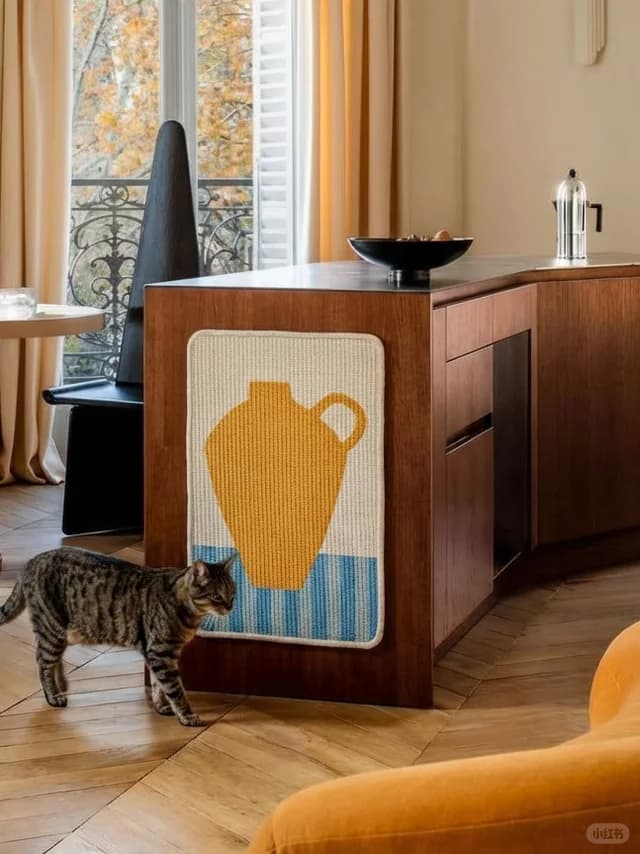
Wood Cat Trees vs. Carpet Cat Trees: An Honest Comparison for 2026
The carpet cat tree is a design relic from the 1980s. Modern wood cat trees are more hygienic, more durable, and — surprisingly — better liked by cats. Here's why, and what to look for when buying.
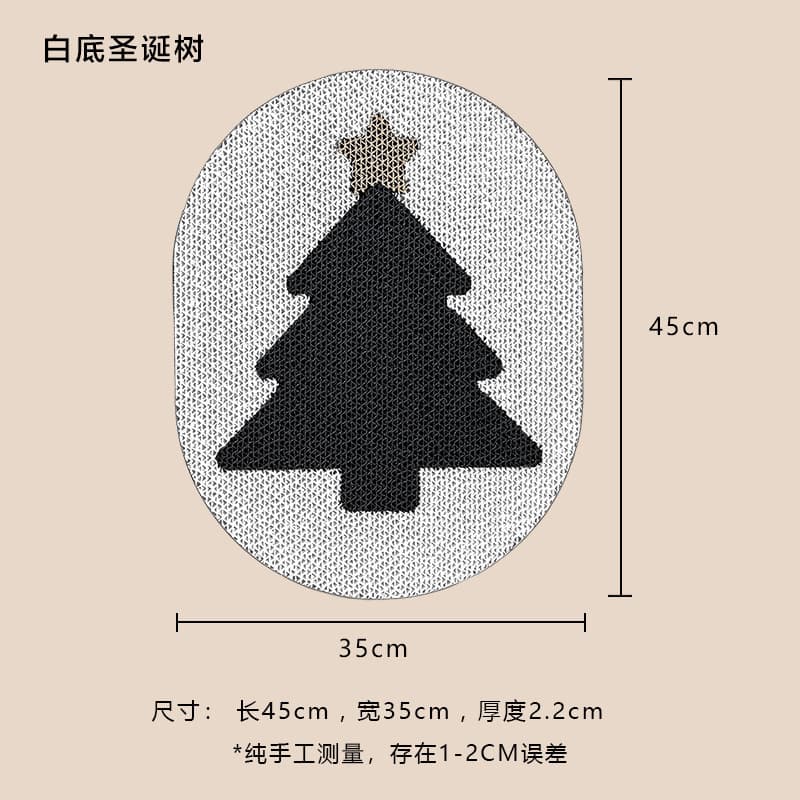
Carpet cat trees dominated the market for 40 years because carpet was cheap, easy to attach, and forgiving of rough cuts. But carpet has serious problems as a cat furniture material — and wood has emerged as a better alternative on almost every practical dimension.
The case against carpet
Carpet is porous. Cat hair, dander, and bacteria embed deeply into carpet fibers, and no amount of vacuuming fully removes them. After 12-18 months of regular use, a carpet cat tree typically develops a permanent odor that accelerates when wet. Carpet also frays — once a cat starts working the edges, the unraveling spreads quickly. And aesthetically, carpet cat trees clash with almost every contemporary interior style.
Why wood is better
Solid wood and engineered wood (MDF with veneer) surfaces are easy to wipe clean with a damp cloth. Surface odors don't penetrate the way they do with carpet. Wood surfaces are durable — with normal use, a quality wood cat tree should look presentable for 5-8 years, versus 2-3 years for a carpet model. Wood also blends seamlessly with modern, Scandinavian, and Japandi interior styles that dominate contemporary home design.
The one thing wood doesn't do well is scratch. Cats need a dedicated scratching surface, which means a wood cat tree should always include sisal rope-wrapped posts or a sisal panel. Sisal is the optimal scratching material — it has the right texture, durability, and fiber resistance that cats prefer, based on behavioral studies of scratching preference.
Stability comparison
Carpet cat trees are typically built around cardboard tubes or thin wooden dowels wrapped in carpet. The carpet provides some rigidity but the underlying structure is often light. Wood cat trees use solid wooden posts and platforms — when properly sized, these are significantly more stable, especially at height.
For a cat tree over 4 feet tall, look for a base that's at least as wide as the tree is tall. A 5-foot tree needs a base that covers a 24-inch square minimum. Platform thickness should be at least 3/4 inch for MDF or 1/2 inch for solid wood — thinner platforms flex noticeably under a 12+ lb cat landing from height.
Price points
Wood cat trees range from $80 (entry-level engineered wood with basic sisal posts) to $400+ for solid wood models with artisan finishes. A mid-range $150-200 wood cat tree in engineered wood with solid sisal wrapping and a fabric-lined platform will outlast and outperform most carpet alternatives at any price point.
Sources & Further Reading
Products Mentioned
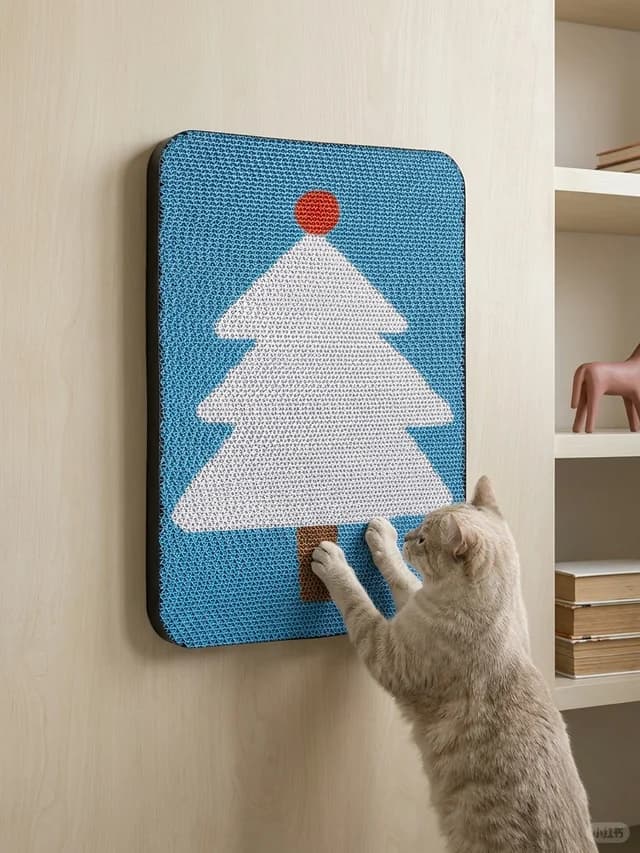 NewOnly 0 left
Tree Wall Scratcher
Christmas tree-shaped knitted wall scratcher — functional wall art
Low stock: 0 left
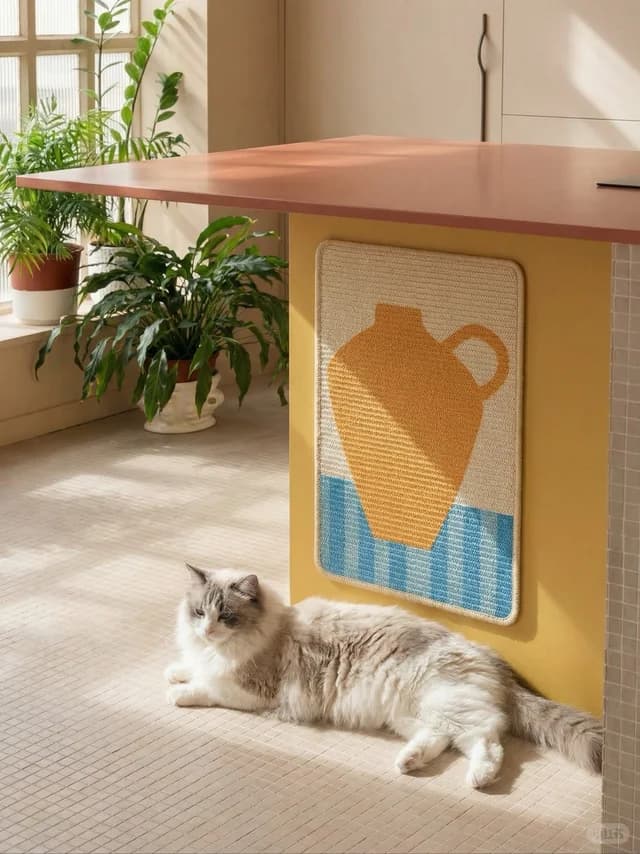 Only 0 left
Sisal Wall Mat
Designer striped wall-mounted sisal scratching mat
Low stock: 0 left
 Best SellerOnly 0 left
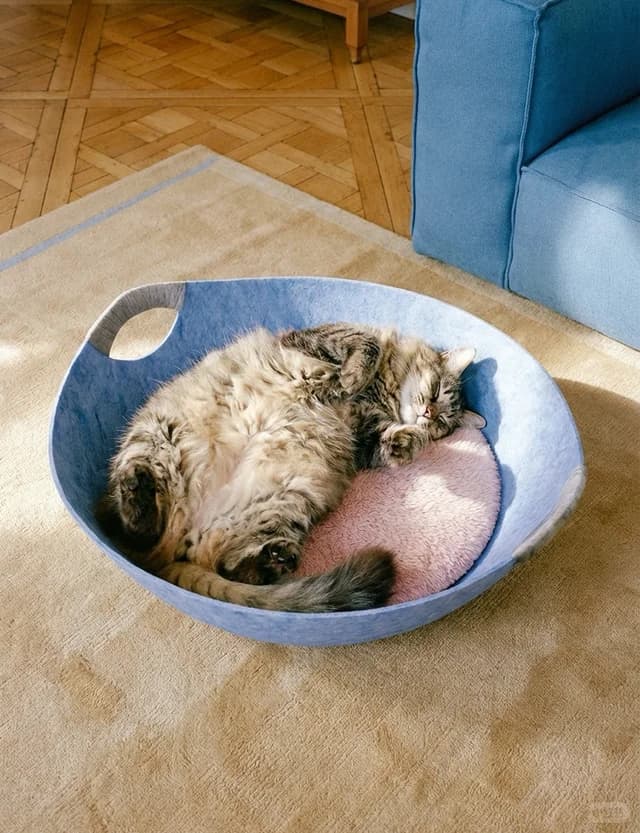
Bowl Cat Bed
Premium woven felt bowl bed — your cat's favorite nap spot
Low stock: 0 left