Cat Furniture with Built-In Scratchers: The Smartest Way to Buy for Active Cats
Buying a cat tree and a scratching post separately is the expensive way to do it. Furniture with built-in scratchers solves both needs in one piece — if you pick the right one.
Buying a cat tree and a separate scratching post is the default approach — and usually the more expensive, more cluttered one. Cat furniture with built-in scratchers consolidates two essential cat needs into one piece, but the integration quality varies enormously. Some pieces treat the scratcher as an afterthought: a single small sisal wrap on a structural post that the cat ignores. Others make scratch surfaces the primary feature with resting secondary.
Why integrated scratchers work (when done correctly)
Cats scratch primarily to mark territory, stretch their spine and shoulder muscles, and maintain claw condition. These needs don't diminish when you provide one type of scratch surface — a cat with a vertical post will still scratch the carpet if the post doesn't satisfy the specific scratching behaviour the cat is engaged in at that moment.
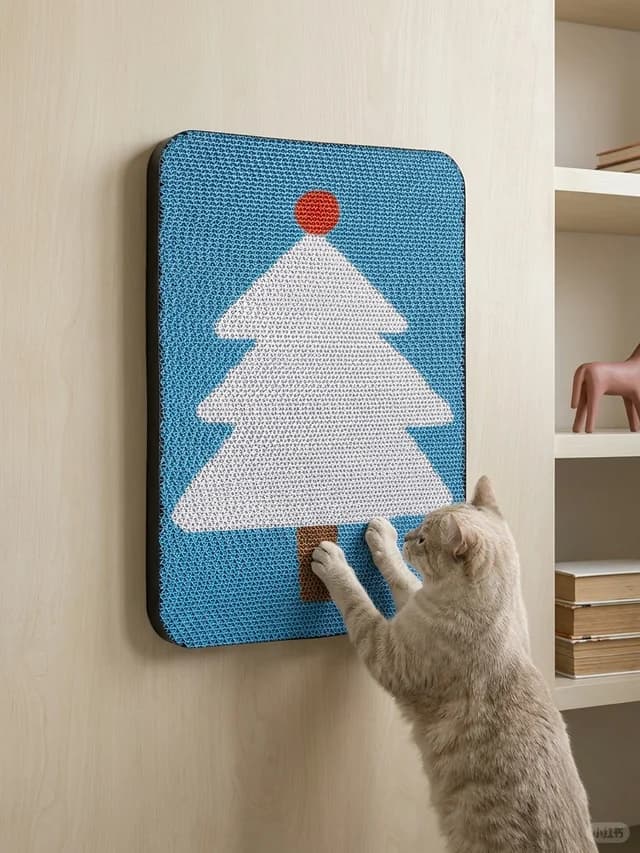
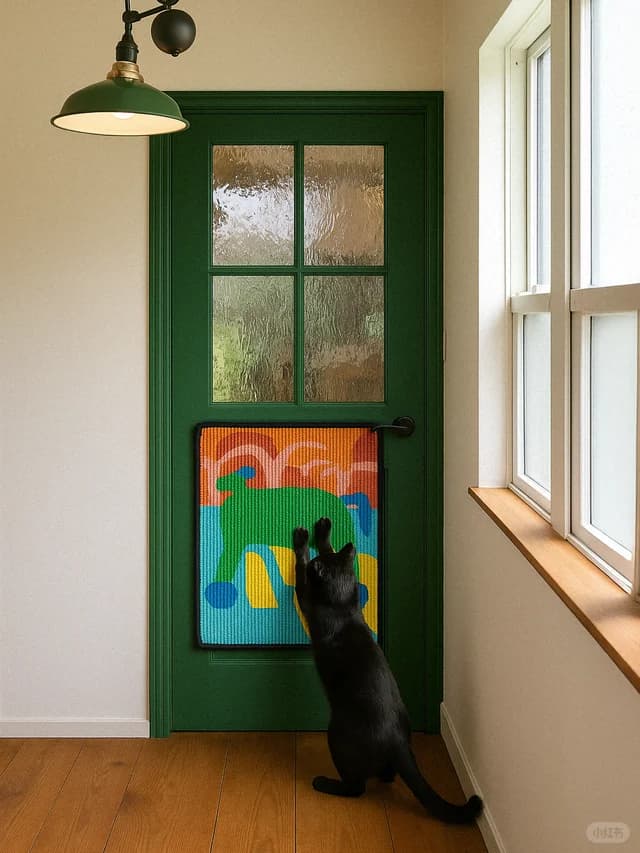
Furniture that provides scratch surfaces in multiple orientations — vertical posts, horizontal platform edges, angled panels — satisfies the full range of scratching behaviours more completely than a single standalone post. Feline behaviour research consistently shows that cats use scratch surfaces more frequently when the surface is positioned where the cat already spends time, which is exactly what integrated furniture achieves.
What to evaluate: scratch surface quality in combo pieces
Sisal rope vs. sisal board: Sisal rope (twisted, wrapped around posts) has more surface texture and satisfies most cats. Sisal board works well for horizontal surfaces. Both outperform carpet and cardboard for durability.
Post height:Cats scratch at full stretch — entire forelimb extended above the head. A scratch post shorter than 28"–30" doesn't allow full-stretch use. Integrated furniture sometimes compromises post height to maintain proportional aesthetics; check the scratch post height specifically.
Post stability: A wobbling scratch post trains the cat not to use it. Apply lateral pressure at the top — it should feel solid, not springy.
Our approach: scratch + rest together
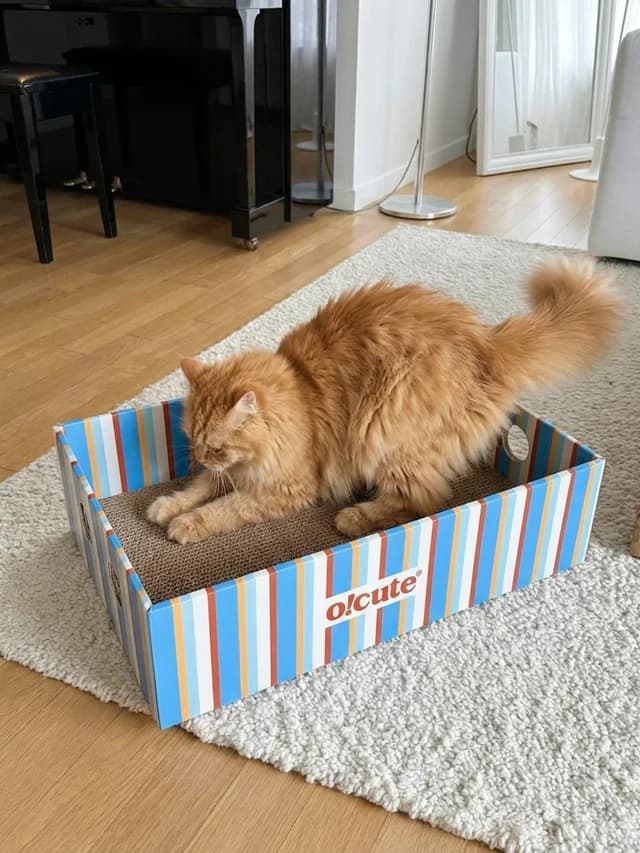
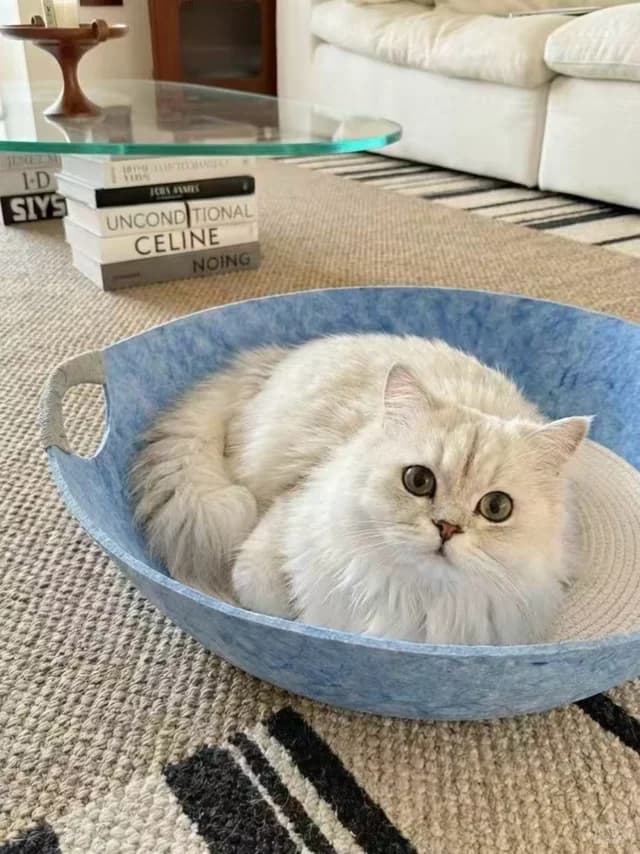
Our 3-in-1 scratch box makes scratch surfaces the primary feature, with horizontal and angled surfaces covering two of the three primary scratching orientations most cats use. Paired with our tall sisal scratcher for vertical scratching, the combination covers the full behavioural picture without doubling the furniture footprint.