Are Money Trees Toxic to Cats? What Pet Owners Need to Know
You've seen the conflicting advice online. Here's what the ASPCA actually says about money trees and cats, what symptoms to watch for, and which plants do pose real risks.
The money tree (Pachira aquatica) is one of the most popular houseplants in North America — and one of the most Googled for cat safety. The short answer: the ASPCA classifies money trees as non-toxic to cats. But “non-toxic” doesn't mean “harmless,” and there are important details every cat owner should understand.
What the ASPCA actually says
The ASPCA Animal Poison Control Center lists Pachira aquatica under its non-toxic plant database for cats, dogs, and horses. It is not known to contain any compounds that cause acute poisoning. This puts it in the same category as spider plants, Boston ferns, and orchids — plants that won't send your cat to the emergency vet if chewed.
What “non-toxic” doesn't mean
Non-toxic classification means a plant doesn't contain compounds that cause organ failure, neurological damage, or acute poisoning. It doesn't mean a cat can eat unlimited quantities without consequence. Any plant matter ingested in large amounts can cause gastrointestinal upset in cats — vomiting, diarrhea, or lethargy. If your cat is actively eating large quantities of money tree leaves, discourage it regardless of toxicity status.
Fertilizers and pesticides applied to money trees are a separate concern. Many commercial plant fertilizers contain compounds that are harmful to cats. If your money tree has been treated recently, keep your cat away from the soil and leaves until the product has fully dried and any residue has been removed.
Plants that look like money trees but are toxic
Several plants are sold under the “money tree” or “money plant” common name and are genuinely dangerous to cats:
- Jade plant (Crassula ovata) — sometimes called money plant. Toxic to cats, causes vomiting, depression, ataxia.
- Silver dollar plant (Lunaria annua) — mildly toxic.
- Pothos (Epipremnum aureum) — often sold alongside money trees. Toxic to cats; causes oral irritation, vomiting, difficulty swallowing.
Verify the botanical name (Pachira aquatica) before assuming your “money tree” is the safe kind. Nurseries and garden centers use common names inconsistently.
Signs of plant ingestion to watch for
Even with non-toxic plants, monitor your cat after any observed chewing. Contact your vet or the ASPCA Poison Control hotline (888-426-4435) if you see: repeated vomiting, lethargy lasting more than a few hours, drooling, difficulty breathing, or loss of coordination. These symptoms suggest something other than Pachira aquatica was ingested, or that your cat has an individual sensitivity.
Sources & Further Reading
Products Mentioned
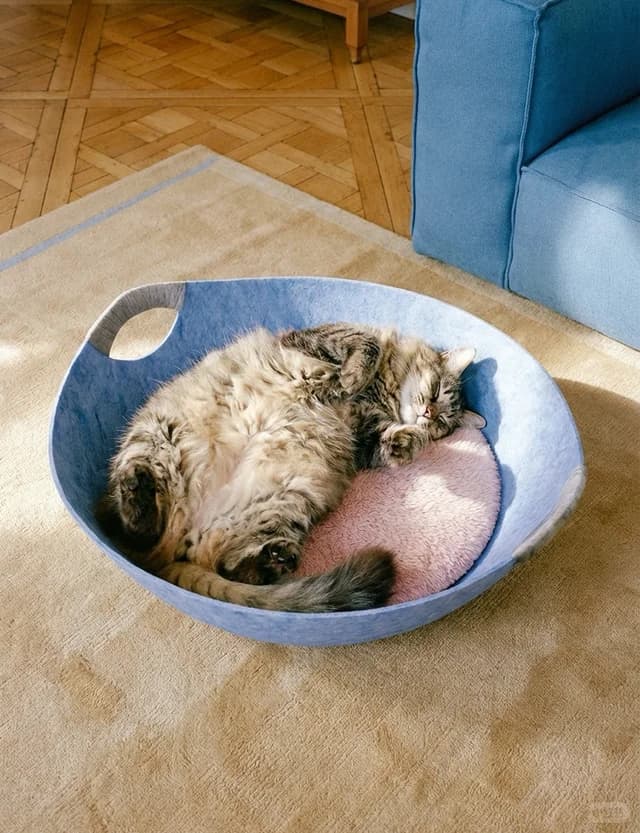 Best SellerOnly 0 left
Bowl Cat Bed
Premium woven felt bowl bed — your cat's favorite nap spot
Low stock: 0 left
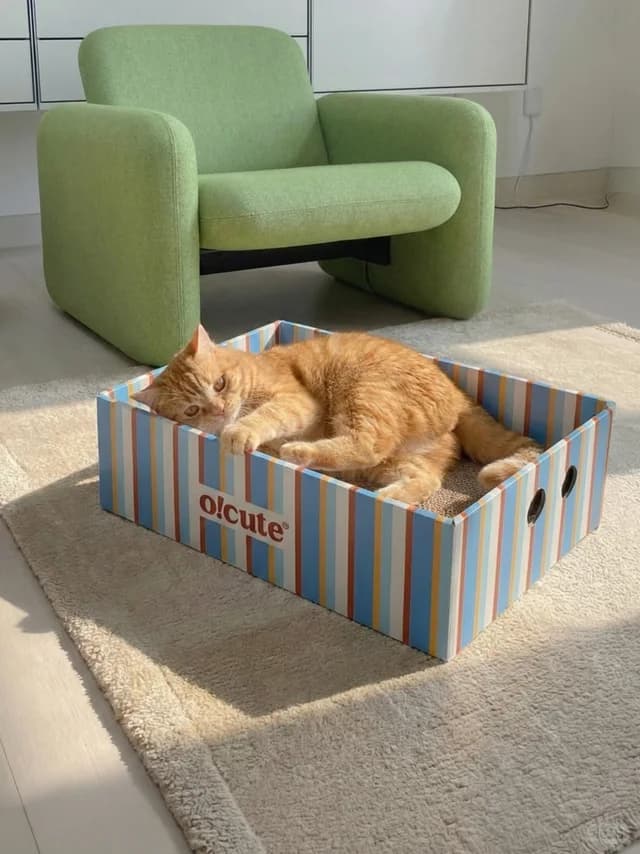 Only 0 left
Hexagon Cat Nest
Geometric hexagonal bed with built-in scratch surfaces
Low stock: 0 left
 Spring EditionOnly 0 left
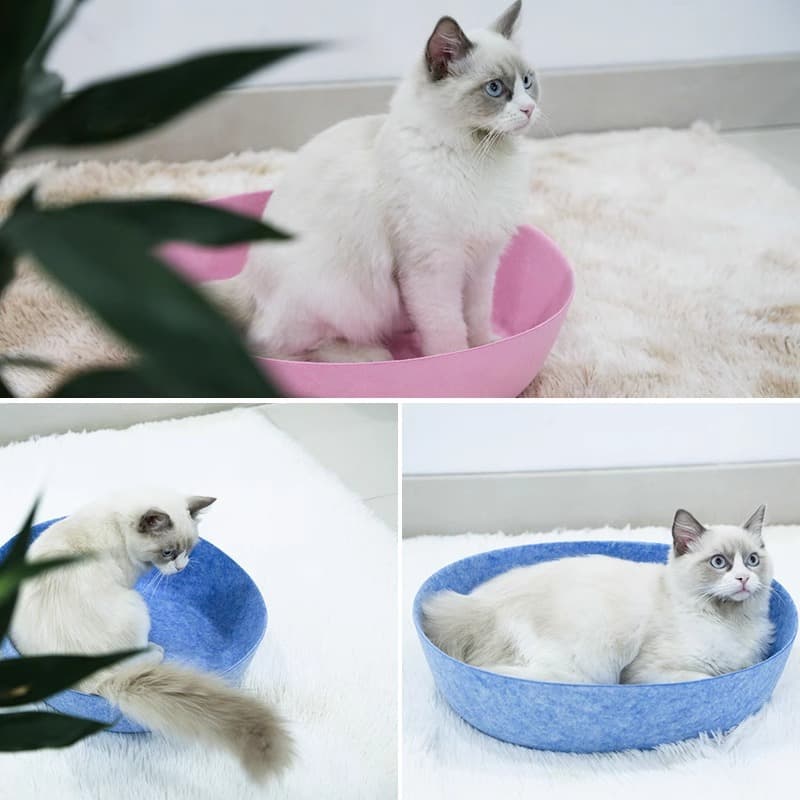
Pink Felt Bowl Bed
Spring edition blush pink bowl bed in premium felt
Low stock: 0 left