Outdoor Cat Trees: What to Buy, What to Avoid, and How to Make Them Last
Most indoor cat trees fail outdoors within a season. Wood rots, carpet molds, and cheap hardware rusts. Here's what to look for in a cat tree that's built for the outdoors.
An outdoor cat tree — installed in a catio, covered patio, or enclosed garden — gives cats natural climbing, scratching, and perching in fresh air. For cats that are too used to indoor living to roam freely, and for owners who can't let cats outside unsupervised, a weatherproof cat tree in an enclosed space is one of the best enrichment investments available.
Why indoor cat trees fail outdoors
Standard indoor cat trees are built for climate-controlled environments. Put them outside and the problems compound quickly: carpet absorbs rain and develops mold within weeks; MDF (medium-density fiberboard) swells and delamdinates when wet; carpet staples rust and work loose; fabric-covered platforms become permanently damp and unpleasant. Even a covered patio with wind-driven rain will destroy most indoor trees within a single season.
Materials that survive outdoors
Cedar and redwoodare naturally resistant to moisture and insect damage. Solid cedar cat trees can last 10+ years outdoors with minimal maintenance. They also don't require finishing — natural oils in the wood provide weather resistance.
Pressure-treated pine is cheaper and widely available. It handles moisture well, though the green tint and rough texture are less aesthetically pleasing. Avoid older pressure-treated wood with arsenic compounds — modern pressure treatment uses copper-based preservatives that are safe for animals once dry.
Powder-coated steel frames are used in some outdoor cat furniture. Properly powder-coated steel is rust-resistant and very stable, but platforms still need to be a weather-appropriate material rather than standard fabric or carpet.
Natural sisalhandles outdoor conditions reasonably well — it's a natural fiber that can get wet and dry without the mold problems of carpet. In consistently wet climates, replace sisal posts annually regardless.
Anchoring outdoor cat trees
Outdoor trees face wind and don't have the benefit of a stable indoor floor. Ground-mounting using stakes or concrete anchors is the most secure method for free-standing outdoor trees. Deck-mounting using lag bolts into structural members is the best option for patio installations. Any outdoor tree over 5 feet tall should be anchored — a falling tree in a catio is dangerous.
What features outdoor cats use most
Based on behavioral observation, outdoor-access cats use covered platforms (shade from sun and shelter from light rain) far more than open ones. Multiple vertical levels matter more outdoors because cats can observe a much larger territory from height in an open environment. Scratching posts are used heavily — outdoor access doesn't reduce scratching behavior, and natural materials like cedar and sisal are preferred over synthetic ones.
Sources & Further Reading
Products Mentioned
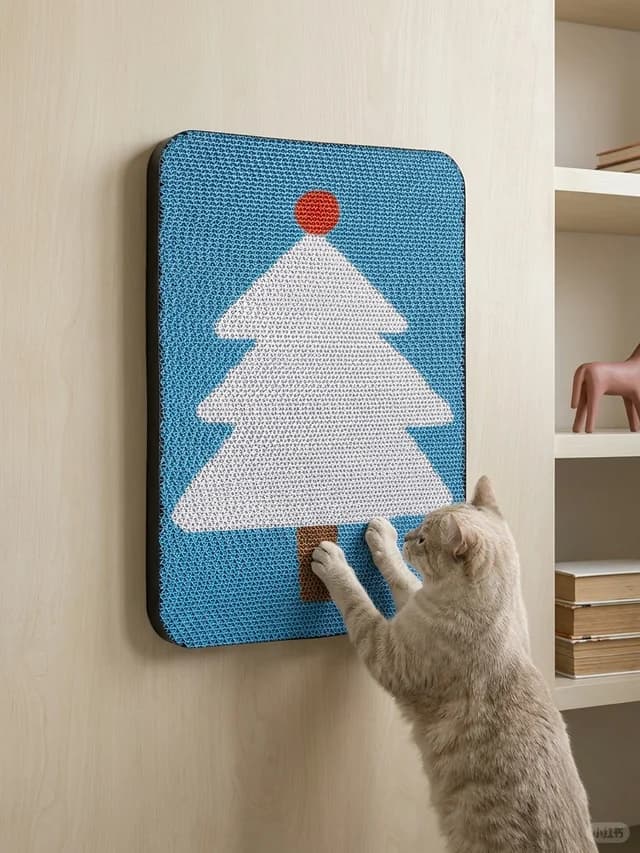 NewOnly 0 left
Tree Wall Scratcher
Christmas tree-shaped knitted wall scratcher — functional wall art
Low stock: 0 left
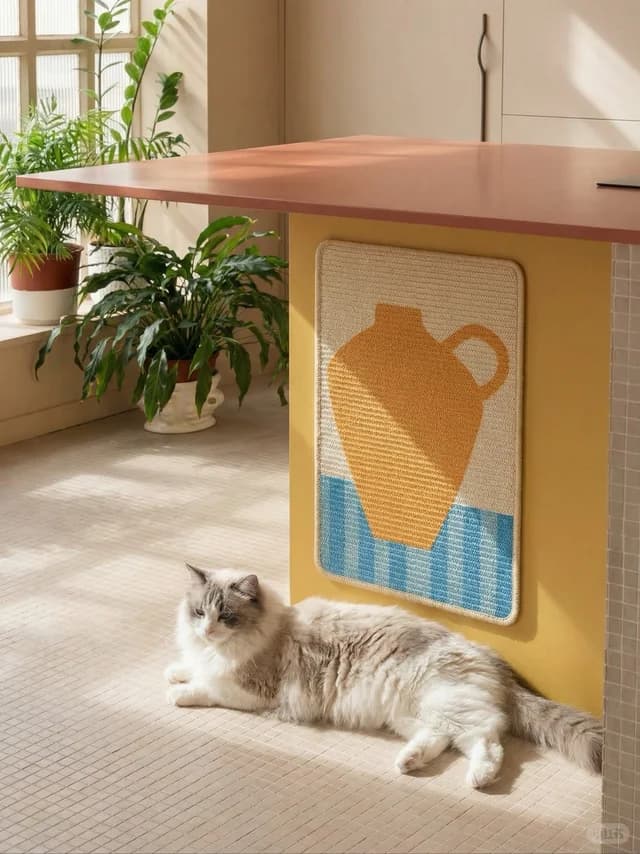 Only 0 left
Sisal Wall Mat
Designer striped wall-mounted sisal scratching mat
Low stock: 0 left
 Only 0 left
Hexagon Cat Nest
Geometric hexagonal bed with built-in scratch surfaces
Low stock: 0 left