Flower Cat Trees: The Petal-Shaped Furniture Your Cat Will Actually Use
A flower cat tree looks like decor — but the best designs are engineered around how cats actually move, perch, and scratch. Here's what separates the good ones from the gimmicks.
Flower-shaped cat trees have moved from novelty to mainstream category in the past two years. The petal silhouette and pastel palette photograph beautifully — which is exactly why they sell. But the more useful question is whether the shape serves your cat, not just your camera roll.
What cats actually need from a cat tree
A cat tree serves three functions: vertical territory (height), scratching surfaces (claw maintenance and stress relief), and enclosed resting spots (security). A good flower cat tree should deliver all three, even while looking like a piece of sculpture. A bad one delivers the sculpture and skips the rest.
The flower shape typically places a large circular platform at the top — the “bloom” — supported by a sisal-wrapped stem post, with smaller petal platforms at lower heights. When done well, this gives cats two or three perching levels plus a full-length scratching post. The circular top platform is often 16–20 inches in diameter, which is large enough for most cats to stretch out comfortably.
Key features to evaluate
Post diameter and sisal quality. The stem post should be at least 3 inches in diameter and wrapped tightly in natural sisal rope, not sisal fabric. Rope sisal has better resistance against claw penetration and lasts significantly longer. Thin posts wrapped in sisal fabric start shredding within months.
Platform padding. Top platforms in flower trees are often velvet or short plush. Look for at least 1 inch of foam underneath — thin padding on a hard MDF platform is uncomfortable for long naps and provides no joint cushioning for heavier cats.
Base stability. Flower trees with a narrow stem and a wide top platform are inherently top-heavy. A base of at least 18 × 18 inches is the minimum for a tree over 40 inches tall. Some designs use weighted bases or wider platform arrangements to compensate — look for reviews specifically mentioning stability before you buy.
Weight limits matter more than you think
Most decorative cat trees list a 10–12 lb weight limit. If your cat weighs more — or if you have multiple cats who'll compete for the top — that limit becomes a real constraint. A cat launching from a perch generates roughly 2–3× its body weight in impact force. A 12 lb cat hitting the top platform hard can transmit 25–35 lbs of force, well beyond the rated capacity of many decorative trees.
Styling a flower cat tree in your home
The best placement is near a window — cats will use the height to observe outdoor activity, which doubles the behavioral enrichment value. A flower tree in pastel tones pairs naturally with Scandinavian or cottagecore interiors. For more neutral or modern spaces, look for flower trees in white, oat, or greige tones with natural wood accents rather than bright colors.
One practical note: light-colored plush on flower platforms shows cat hair immediately. Plan to brush the platforms weekly, or choose a color that matches your cat's coat.
Sources & Further Reading
Products Mentioned
 NewOnly 0 left
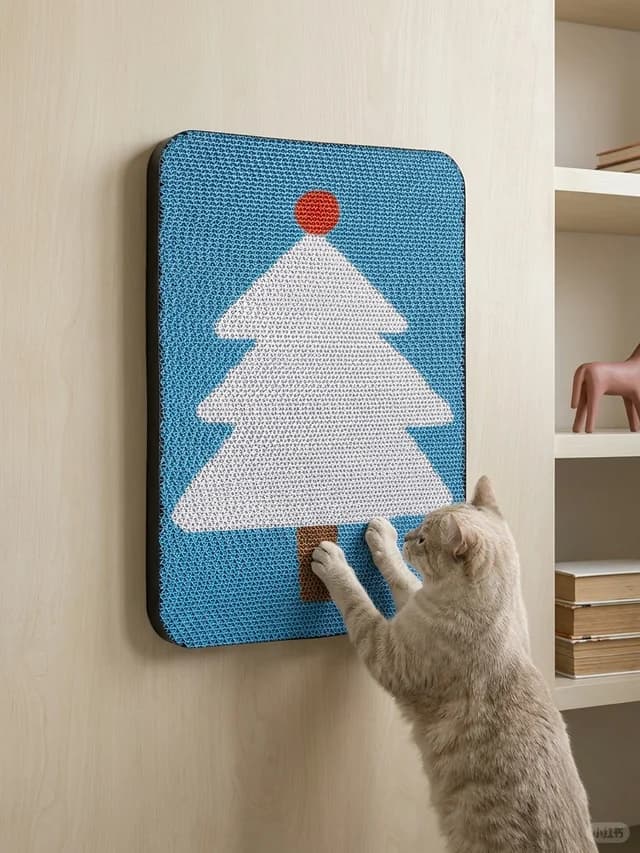
Tree Wall Scratcher
Christmas tree-shaped knitted wall scratcher — functional wall art
Low stock: 0 left
Only 0 leftHexagon Cat Nest
Geometric hexagonal bed with built-in scratch surfaces
Low stock: 0 left
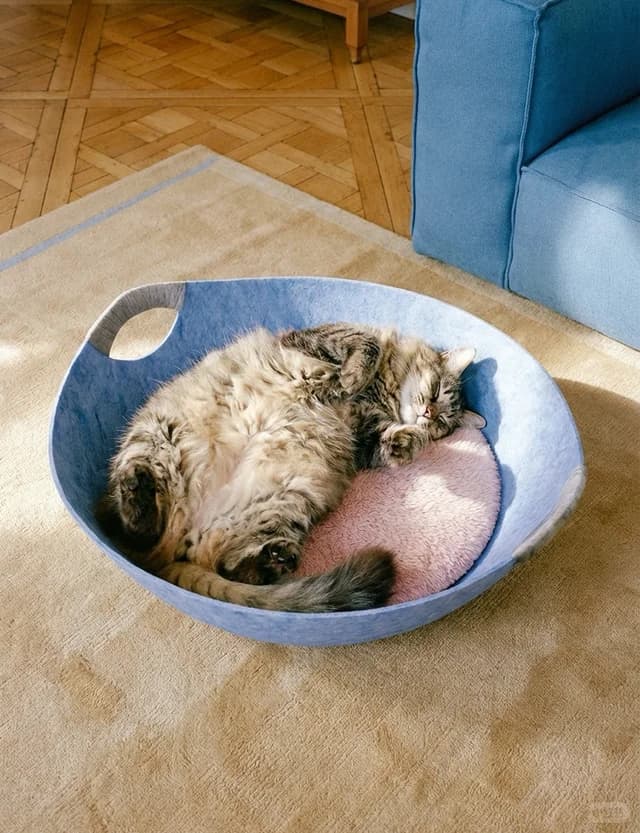 Best SellerOnly 0 left
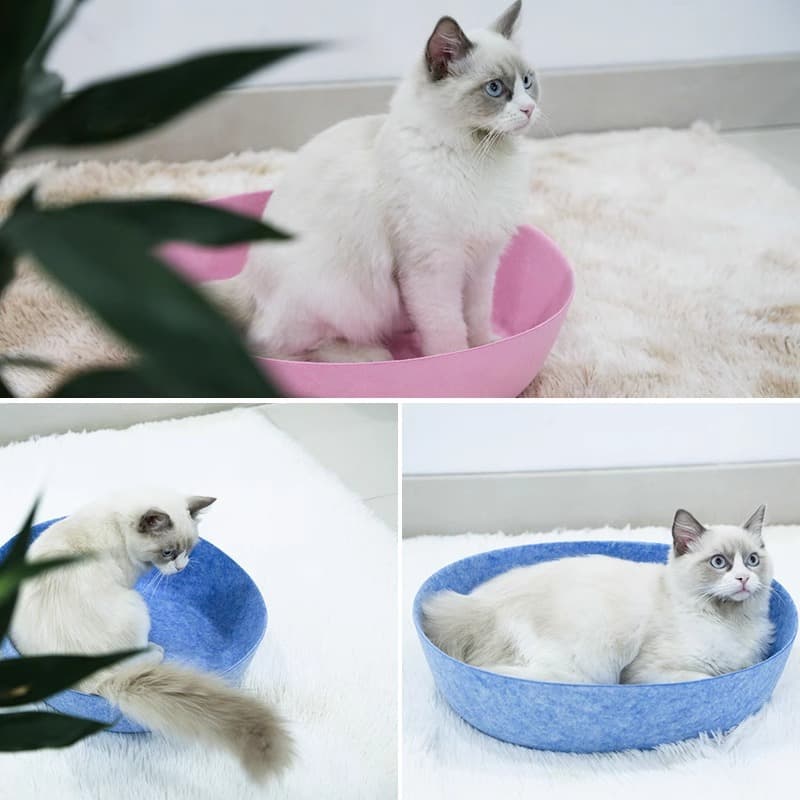
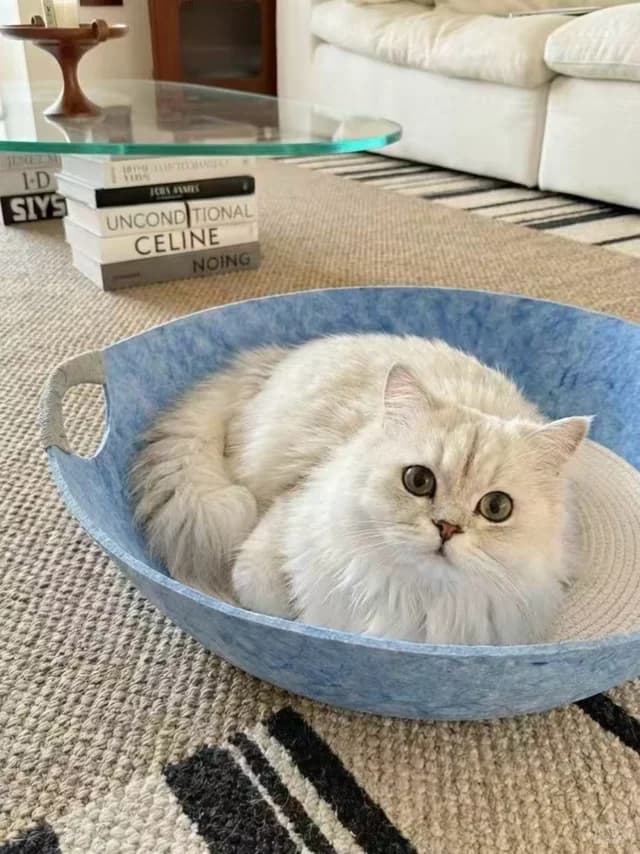
Bowl Cat Bed
Premium woven felt bowl bed — your cat's favorite nap spot
Low stock: 0 left